





The Foundation of Global Food Processing
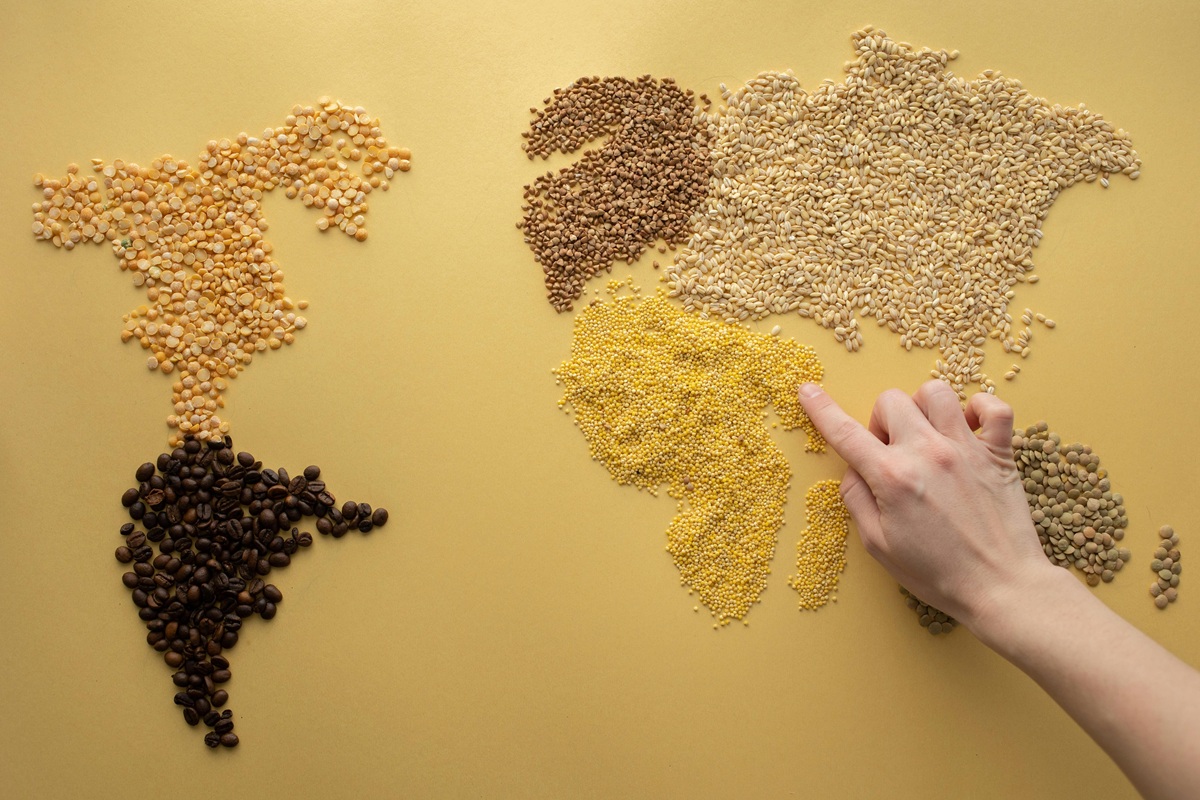
Grains form the cornerstone of the global food industry, providing essential carbohydrates, proteins, fiber, and vital micronutrients to billions of people daily. For food processors and manufacturers, understanding the complexities of grain quality, classification, and processing requirements is crucial to producing consistent, high-quality finished products that meet both regulatory standards and evolving consumer expectations.
According to OECD-FAO Agricultural Outlook projections, by 2032, approximately 41% of all cereal production will be used for food consumption, 37% for feed production, with the remainder consumed through biofuels and other industrial uses. This massive global demand—coupled with increasingly sophisticated consumer preferences for ancient grains, organic options, and clean-label products—underscores the critical importance of strategic grain sourcing.
The ancient grains market alone is experiencing explosive growth, projected to reach $65.6 billion by 2034 from just $2.6 billion in 2024, growing at an astounding CAGR of 38.1%. This surge reflects consumer demand for nutritious, sustainable, and diverse grain options beyond conventional wheat, rice, and corn.
This comprehensive guide explores the three pillars of grain processing—rice, wheat, and specialty grains—equipping food processors with the knowledge needed to make informed sourcing decisions that optimize production efficiency, product quality, and profitability in this dynamic market landscape.
Understanding Grain Quality Standards for Food Processing
Grain quality characteristics before and after processing play a key role in export trade, marketing, and high-value further processing. The economic value of grain is fundamentally based upon its physical and chemical characteristics, as different grain-based products—whether food, feed, or industrial applications—require grains with specific attributes.
Core Quality Parameters Across All Grains
Physical Characteristics:
Test Weight (Bulk Density): Defined as the ratio of the mass to a given volume of a grain sample, including the interstitial voids between particles. Test weight gives rough estimates of milling yields and is considered the easiest and most common way to qualify grains like wheat. Higher test weights generally correlate with better processing outcomes.
Moisture Content: Critical for storage stability and processing performance. Excessive moisture promotes microbial growth, mold development, and mycotoxin production. Proper moisture levels (typically 12-14% for most grains) ensure long-term storage viability and optimal milling characteristics.
Size and Shape: Important factors affecting quality and grading, particularly for rice. Size consistency impacts processing efficiency, cooking uniformity, and final product appearance. Grading systems often categorize grains by size specifications.
Color and Uniformity: Determines grading and market acceptance. Color is an important primary factor in the characterization, grading, trading, and processing of grains, and is a common criterion used in the wheat trade. Based on U.S. standards, rice will be downgraded if there is one discolored kernel per 500 grams of rice samples, highlighting stringent quality expectations.
Damaged Kernels (DK): Kernels with evident visual damage caused by insects, heat, mold, weathering, sprouting, frost, diseases, non-uniform maturity, or lack of grain filling. For wheat to qualify as Grade 1, damaged kernels must constitute no more than 0.4% of the total weight. Damaged kernels reduce milling yields and affect functional properties.
Foreign Material: Impacts purity, processing requirements, and food safety. Includes non-grain materials, weed seeds, soil, stones, and other contaminants that must be removed before processing.
Chemical Characteristics:
Protein Content: Determines end-use suitability and nutritional value. Protein percentage and quality directly influence functional properties like gluten development in wheat or cooking characteristics in rice.
Starch Composition: Affects texture, cooking properties, and processing behavior. The ratio of amylose to amylopectin determines how grains behave during cooking and cooling.
Fat/Oil Content: Influences shelf life and processing characteristics. Higher oil content can lead to rancidity during extended storage.
Ash Content: Indicates mineral content and degree of refinement. Lower ash content signifies higher refinement levels and typically produces lighter-colored, finer-textured products.
Mycotoxins and Contaminants: Comprehensive screening for aflatoxins, ochratoxin, deoxynivalenol (DON), and other mycotoxins ensures food safety compliance and consumer health protection.
International Standards and Certification
The U.S. grain inspection and grading system provides a universal language among buyers and sellers, giving importers confidence in grain quality. The U.S. Grain Standards Act, originally enacted in 1916, establishes official marketing standards for grains and oilseeds, along with procedures for inspection and weighing that support transparency, consistency, and fairness across the supply chain.
Major grain-exporting countries have developed comprehensive grading standards. The U.S. requires the Secretary of Agriculture to establish standards for barley, canola, corn, flaxseed, mixed grain, oats, rye, sorghum, soybeans, sunflower seed, triticale, and wheat, addressing cleanliness, physical soundness, purity, and moisture content.
For food processors, adherence to standards such as ISO 22000 (food safety management), HACCP (Hazard Analysis Critical Control Points), and destination-specific regulatory requirements ensures compliance throughout the supply chain from farm gate to finished product.
Rice: Varieties, Quality Parameters, and Processing Considerations
Rice (Oryza sativa) ranks among the world’s most important staple foods, feeding more than half the global population. For food processors, understanding rice quality parameters is essential for achieving desired milling yields, cooking characteristics, and finished product performance.
Rice Classification and Varieties
By Grain Length:
- Long Grain Rice (>7mm): Basmati, Jasmine, American long-grain varieties
- Medium Grain Rice (5-7mm): Calrose, Arborio, Valencia
- Short Grain Rice (<5mm): Japanese sushi rice, glutinous rice varieties
By Processing Level:
- Brown Rice: Whole grain with bran and germ intact, higher in nutrients, fiber, B vitamins, and minerals
- White Rice: Milled rice with bran and germ removed, longer shelf life, milder flavor
- Parboiled Rice: Pre-steamed before milling, retains more nutrients in endosperm, firmer texture
- Instant Rice: Pre-cooked and dried for rapid preparation, convenience applications
Critical Quality Parameters for Rice Processing
There is no proper definition or description of rice quality universally; quality depends on several factors such as cooking practice, region, and intended usage. A rice miller describes quality in terms of total recovery and head rice kernels, while the food processing industry defines rice quality in terms of grain size, aroma, appearance, and cookability.
1. Milling Quality
The most significant standard from a marketing standpoint, milling quality refers to the proportion of unbroken white rice recovered from milling. Head rice yield (whole grains ≥3/4 original length) represents the most valuable fraction. For food processors, higher head rice percentages reduce costs and improve product consistency.
Key factors affecting milling quality:
- Varietal characteristics (grain hardness, size, and shape)
- Harvest moisture content and timing (optimal at 18-22% moisture)
- Drying methods and rates (slow drying prevents kernel cracking)
- Storage conditions and duration
- Milling equipment quality and techniques
2. Physical Appearance Quality
Common physical properties include size, shape, color, uniformity, and general appearance. Additional factors contributing to appearance quality are:
- Cleanliness and Purity: Freedom from other seeds, foreign matter, and damaged kernels
- Vitreousness and Translucency: Glassy, clear appearance indicates proper maturity
- Chalkiness: White, opaque areas on the grain indicating incomplete starch formation. Excessive chalkiness (>6%) reduces milling quality and market value
- Discoloration: Yellow, red, or damaged kernels significantly downgrade rice value
Rice discoloration has been shown to largely be due to microbial and chemical reactions depending on storage temperature, moisture content, and duration. Proper post-harvest handling and storage conditions prevent discoloration and maintain appearance quality.
3. Cooking and Eating Quality
For food manufacturers producing ready-to-eat meals, side dishes, or rice-based ingredients, cooking properties are paramount. Primary measurements include:
Gelatinization Temperature (GT): Determines cooking time and energy requirements. Rice with lower GT (55-69°C) cooks faster, while higher GT varieties (70-79°C) require longer cooking times.
Apparent Amylose Content (AAC): Affects texture and cooking characteristics:
- Low amylose (10-20%): Soft, sticky rice; preferred in East Asian cuisines
- Intermediate amylose (20-25%): Slightly firm, moist rice; versatile applications
- High amylose (25-33%): Firm, separate grains; preferred for long-grain products
Gel Consistency (GC): Indicates cooked rice texture and cooldown behavior:
- Hard gel (27-40mm): Firm, non-sticky texture
- Medium gel (41-60mm): Balanced texture
- Soft gel (61-100mm): Soft, sticky texture
Grain Elongation: How much rice lengthens during cooking. Premium basmati varieties may elongate 100-150%, while other types show 15-40% elongation.
These physicochemical properties of starch directly affect consumer preference and the economic value of rice varieties. Understanding these characteristics enables food processors to select varieties that deliver consistent cooking performance in specific applications.
4. Nutritional Quality
Brown rice retains the nutrient-rich bran and germ, providing significantly more B vitamins (thiamin, niacin, riboflavin), minerals (iron, magnesium, zinc), dietary fiber, and bioactive compounds compared to white rice. However, white rice offers extended shelf life (12+ months vs. 6 months for brown rice) and neutral flavor profiles preferred in many food manufacturing applications.
Enriched white rice has thiamin, riboflavin, niacin, folic acid, and iron added post-processing to enhance nutritional value. Many processed rice products are enriched to meet nutritional labeling requirements and consumer expectations.
Processing Requirements for Rice
Pre-Processing:
- Cleaning to remove foreign materials, stones, dirt, and damaged grains using aspirators, destoners, and gravity separators
- Drying to optimal moisture content (typically 12-14% for storage stability)
- Tempering to equilibrate moisture throughout the kernel (24-48 hours) for optimal milling
Primary Processing:
- Hulling (dehusking) to remove outer husk layers using rubber roller or disc huskers
- Separation of brown rice from unhulled paddy using paddy separators
- Milling (whitening) to produce white rice using abrasive or friction mills
- Grading and sorting by size, color, and quality using length graders and color sorters
- Polishing for improved appearance using water or dry polishing systems (optional)
Quality Control Considerations:
- Maintain consistent moisture levels during storage (12-14%)
- Control temperature to prevent insect infestation (below 15°C ideal) and mold growth
- Implement FIFO (First-In-First-Out) inventory management
- Conduct regular testing for contaminants, mycotoxins (aflatoxins), and heavy metals (arsenic, cadmium)
- Monitor broken grain percentages and foreign material content
Wheat: Classes, Protein Content, and End-Use Applications
Wheat (Triticum aestivum) stands as the world’s leading agricultural source of energy, protein, and fiber. For food processors, wheat’s unique gluten-forming proteins enable an extraordinary range of products from bread and pasta to pastries, breakfast cereals, and industrial ingredients.
Wheat Classification Systems
Wheat can be categorized into three main classes based on kernel characteristics: hard, soft, and durum. These classes are further subdivided based on color (red or white) and growing season (winter or spring).
By Hardness:
- Hard Wheat: Higher protein content (11-15%), strong gluten formation, dense endosperm structure ideal for bread, pizza dough, and high-protein products
- Soft Wheat: Lower protein content (8-10%), weak gluten, tender crumb structure suitable for cakes, pastries, cookies, and crackers
The hardness of wheat endosperm is critical in determining the suitability of wheat for various end products and influences the processing and milling of wheat. It is the common characteristic used by millers and traders to classify wheat.
By Color:
- Red Wheat: Contains phenolic compounds in the bran, slightly more pronounced flavor, traditional bread wheat
- White Wheat: Milder, sweeter flavor profile, lighter color in whole grain products, growing in popularity
By Growing Season:
- Winter Wheat: Planted in fall, harvested in early summer, represents majority of production, typically lower protein
- Spring Wheat: Planted in spring, harvested in late summer, typically higher protein, harder kernels
U.S. Wheat Classes and Primary Applications
The United States classifies wheat into eight distinct classes, each with specific end-use characteristics:
1. Hard Red Winter (HRW)
- Protein Content: 10.5-12.5%
- Primary Uses: All-purpose flour, hearth breads, Asian noodles, flatbreads
- Characteristics: Versatile, moderate protein, consistent quality, largest U.S. wheat class
- Geographic Production: Great Plains (Kansas, Oklahoma, Texas, Colorado)
2. Hard Red Spring (HRS)
- Protein Content: 13-16%
- Primary Uses: Artisan breads, whole grain products, pizza dough, blending to boost protein
- Characteristics: Highest protein wheat class, superior baking strength, exceptional water absorption
- Geographic Production: Northern Plains (North Dakota, Montana, Minnesota, South Dakota)
3. Soft Red Winter (SRW)
- Protein Content: 8.5-10.5%
- Primary Uses: Cakes, cookies, crackers, pastries, flatbreads
- Characteristics: Low protein produces tender, delicate baked goods with fine crumb structure
- Geographic Production: Eastern U.S. (Ohio, Indiana, Illinois, Missouri)
4. Soft White
- Protein Content: 8.5-10.5%
- Primary Uses: Asian noodles, cakes, pastries, flatbreads
- Characteristics: Mild flavor, light color, excellent for specialized Asian food applications
- Geographic Production: Pacific Northwest (Washington, Oregon, Idaho)
5. Hard White
- Protein Content: 10.5-13.5%
- Primary Uses: Whole wheat breads, Asian noodles, tortillas, brewing
- Characteristics: Similar functionality to HRW but with sweeter flavor and lighter color, growing market share
- Geographic Production: High Plains (Kansas, Montana, Colorado)
6. Durum
- Protein Content: 12-15%
- Primary Uses: Pasta, couscous, Mediterranean breads
- Characteristics: Hardest wheat, amber color when milled into semolina, high protein, excellent for premium pasta
- Geographic Production: Northern Plains (North Dakota, Montana)
7. Soft White Club
- Protein Content: 8-10%
- Primary Uses: Asian confections, Middle Eastern flatbreads, specialty cakes
- Characteristics: Very soft, very low protein, specialized applications
- Geographic Production: Pacific Northwest (Washington, Oregon, Idaho)
8. Unclassed/Mixed Wheat
- Variable characteristics, typically discounted pricing
- Used for animal feed or industrial applications
Critical Quality Parameters for Wheat Processing
Protein Content and Quality
Protein percentage directly correlates with gluten strength, water absorption capacity, and dough handling properties. However, protein quality matters as much as quantity. The ratio of glutenin (provides elasticity) to gliadin (provides extensibility) proteins determines dough functionality.
For bread production, higher protein content (12-14%) provides stronger gluten networks that trap fermentation gases, producing superior volume, texture, and crumb structure. Conversely, cake and pastry manufacturers prefer lower protein wheat (8-10%) that creates tender, delicate crumbs without excessive gluten development.
Gluten Content and Functionality
Minimum gluten content of wheat flour should be approximately 24% (wet basis) for most bread applications. Gluten content variations between 18.2-39.2% have been documented across different wheat samples. Only 5.3% of analyzed wheat falls below the 24% threshold, demonstrating generally consistent commercial quality.
Gluten functionality testing includes:
- Farinograph: Measures dough development time, stability, and mixing tolerance
- Extensograph: Evaluates dough extensibility and resistance to extension
- Alveograph: Determines dough strength, extensibility, and elasticity balance
Falling Number
This test measures alpha-amylase enzyme activity, which affects starch breakdown during fermentation and baking. Falling numbers indicate:
- High (300-350 seconds): Low enzyme activity, proper sprouting control, stable dough
- Medium (200-300 seconds): Moderate enzyme activity, acceptable for most applications
- Low (<200 seconds): High enzyme activity from pre-harvest sprouting, sticky dough, gummy products
Low falling numbers signal pre-harvest sprouting damage, resulting in bread with poor volume, sticky crumb, and rapid staling. Wheat with falling numbers below 200 seconds is typically downgraded for feed use.
Test Weight
Measured in pounds per bushel (lb/bu) or kilograms per hectoliter (kg/hL), test weight indicates grain density and correlates with flour yield. Higher test weights generally produce better milling extraction rates:
- Premium wheat: >60 lb/bu (>77 kg/hL)
- Standard wheat: 58-60 lb/bu (74-77 kg/hL)
- Below-grade wheat: <58 lb/bu (<74 kg/hL)
Basic factors affecting test weight include kernel size and shape, kernel density, maturity, diseases, and wheat variety.
Ash Content
Ash content indicates mineral content and bran contamination in flour. Lower ash content signifies higher refinement:
- Patent flour (premium): 0.40-0.50% ash
- Straight-grade flour: 0.50-0.60% ash
- Clear flour: 0.75-1.50% ash
- Whole wheat flour: 1.50-2.00% ash
Lower ash flours produce lighter-colored, finer-textured products ideal for cakes and pastries. Higher ash flours have more flavor complexity and nutritional value.
Wheat Vitreousness
This optical property is used primarily to grade durum wheat quality. Vitreous (glassy, translucent) kernels are considered superior to non-vitreous (starchy, opaque) kernels. Vitreousness affects protein quality, milling characteristics, and semolina yield. Durum wheat must be at least 75% vitreous to achieve top grades.
Processing Wheat for Different End Uses
Flour Milling Process:
- Cleaning and Conditioning: Remove foreign materials, adjust moisture to 14-16% through tempering (12-24 hours) to optimize kernel moisture distribution
- Breaking: Corrugated breaking rolls crack wheat kernels, separating bran from endosperm. Multiple break passages progressively reduce particle size
- Purification: Sifters and air currents remove bran particles from middlings (partially milled endosperm)
- Reduction: Smooth reduction rolls gradually grind endosperm into flour. Multiple passages create different flour streams
- Sifting: Flour separated by particle size into various streams (patent, straight-grade, clear)
- Blending: Flour streams combined to meet specific end-use specifications
Key Milling Considerations:
- Kernel hardness affects energy consumption and flour particle size distribution
- Moisture content must be optimized (typically 14-16% before milling) for clean bran separation
- Gradual reduction produces higher-quality flour with less starch damage
- Different flour streams can be blended for specific functionality
- Milling extraction rate typically 72-75% for white flour, 100% for whole wheat
Quality Control for Wheat Products:
- Regular protein and moisture testing using NIR spectroscopy or wet chemistry
- Gluten functionality testing (farinograph, extensograph, alveograph)
- Baking trials for end-use performance verification under actual conditions
- Mycotoxin screening (especially for deoxynivalenol/DON and vomitoxin)
- Pest inspection and fumigation documentation for import/export
- Falling number testing for enzyme activity assessment
Specialty Grains: Ancient Grains and Alternative Cereals
The specialty grains market is experiencing remarkable growth. The global ancient grain market is expected to reach $65.6 billion by 2034, up from just $2.6 billion in 2024, growing at an astounding CAGR of 38.1%. This surge reflects consumer demand for nutritious, sustainable, and diverse grain options beyond conventional wheat, rice, and corn.
What Defines Specialty and Ancient Grains?
According to the Whole Grains Council, ancient grains are loosely defined as grains that have remained largely unchanged over the last several hundred years. While modern wheat has been constantly bred and modified through selective breeding, ancient grain varieties maintain their original genetic characteristics and nutritional profiles.
Common specialty and ancient grains include:
Gluten-Containing Ancient Grains:
Spelt (Triticum spelta): Ancient wheat relative with nutty, slightly sweet flavor, higher protein than modern wheat (15-17%), excellent source of dietary fiber, iron, and B vitamins. Used in artisan breads, pasta, and baked goods.
Kamut (Khorasan Wheat, Triticum turgidum): Large golden kernels, rich buttery flavor, high in selenium and zinc, 20-40% higher protein than modern wheat. Trademarked name requiring organic cultivation. Ideal for bread, pasta, and breakfast cereals.
Farro (Emmer Wheat, Triticum dicoccum): Chewy, nutty texture, popular in Mediterranean cuisine, particularly Italian soups and salads. Three varieties: farro piccolo (einkorn), farro medio (emmer), and farro grande (spelt).
Einkorn (Triticum monococcum): Most ancient wheat variety, simpler genetic structure (diploid), high in carotenoids and protein, potentially easier to digest than modern wheat. Rich yellow color, sweet flavor.
Freekeh: Roasted young wheat (typically durum), smoky flavor, high fiber content (4x more than brown rice), low glycemic index. Popular in Middle Eastern cuisine.
Barley (Hordeum vulgare): Versatile grain, high in beta-glucan soluble fiber (3-11%), cholesterol-lowering properties. Used in soups, brewing, and food ingredients. Pearl barley has hull and bran removed; hulled barley retains bran.
Rye (Secale cereale): Dark, dense grain with distinctive earthy flavor, popular in European breads, high in fiber and manganese. Lower gluten content than wheat requires special handling in baking.
Gluten-Free Specialty Grains:
Quinoa (Chenopodium quinoa): Complete protein containing all essential amino acids, high in lysine, iron, and magnesium. Three main varieties: white (mild flavor), red (firmer texture), and black (sweeter, earthier). Technically a pseudo-cereal (seed). Native to Andean region of South America.
Amaranth (Amaranthus): Ancient Aztec grain, high protein (13-14%) and lysine content, excellent calcium source (4x more than wheat), gluten-free. Small seeds require specialized processing equipment. Used in porridges, baked goods, and popped snacks.
Millet: Small-seeded grain family including pearl millet, foxtail millet, proso millet, and finger millet. Drought-resistant crop, mild flavor, gluten-free, high in magnesium and phosphorus. Used in flatbreads, porridges, and beverages.
Teff (Eragrostis tef): Tiny Ethiopian grain (1mm diameter), excellent source of iron (7mg per cup cooked) and calcium, high in resistant starch. Used to make injera flatbread, porridges, and baked goods.
Sorghum (Sorghum bicolor): Gluten-free grain with neutral flavor, drought-tolerant crop, high in antioxidants and fiber. Used in flour blends, whole grain dishes, and syrup production. Fifth most important cereal crop globally.
Buckwheat (Fagopyrum esculentum): Despite its name, not related to wheat—actually a seed (pseudo-cereal). Nutty, earthy flavor, rich in rutin (antioxidant), magnesium, and manganese. Used in soba noodles, pancakes, and groats (kasha).
Wild Rice (Zizania): Aquatic grass seed native to North America, not true rice. Nutty flavor, chewy texture, high in protein (6.5g per cup cooked) and antioxidants. Long cooking time (45-60 minutes). Premium pricing.
Nutritional Advantages of Specialty Grains
Specialty grains offer several nutritional benefits over refined commodity grains:
Higher Protein Quality: Many ancient grains like quinoa and amaranth contain complete proteins with balanced essential amino acids—rare in plant-based sources. Quinoa provides 8g protein per cup cooked with excellent amino acid balance.
Increased Fiber Content: Whole grain versions of specialty grains provide 3-5 times more dietary fiber than refined grains, supporting digestive health, blood sugar management, and chronic disease prevention. Freekeh contains 16g fiber per cup compared to 3.5g in white rice.
Superior Micronutrient Profiles: Ancient grains typically contain higher levels of B vitamins, minerals (iron, magnesium, zinc, selenium), and beneficial phytonutrients compared to modern refined grains. Teff is exceptionally high in iron and calcium.
Antioxidant Compounds: Many specialty grains are rich in antioxidants, including phenolic compounds, carotenoids, and vitamin E, which support overall health and reduce oxidative stress. Sorghum contains particularly high levels of anthocyanins.
Lower Glycemic Impact: Several ancient grains demonstrate lower glycemic indices than refined grains, making them suitable for blood sugar management. Barley and freekeh have particularly low GI values.
Market Trends Driving Specialty Grain Growth
Gluten-Free Market Expansion: In 2024, gluten-free ancient grains held a dominant market position, capturing more than 67.30% share. The large market share is attributed to increasing demand driven by the rising prevalence of celiac disease (affecting 1% of population), non-celiac gluten sensitivity, and growing consumer preferences for healthier food choices. Many consumers without gluten sensitivity choose gluten-free grains for perceived health benefits.
Health and Wellness Trends: Growing health consciousness among consumers drives demand for nutrient-dense alternatives to processed grains. Ancient grains are perceived as more natural, less modified, and nutritionally superior. Consumer awareness about health benefits associated with ancient grains continues to expand.
Plant-Based Protein Demand: As plant-based diets gain mainstream acceptance, ancient grains provide valuable protein sources. Quinoa, amaranth, and other high-protein grains appeal to vegetarians, vegans, and flexitarians seeking protein diversity.
Sustainability and Ethical Sourcing: Many ancient grains grow in harsh conditions with minimal water and fertilizer inputs, supporting regenerative agriculture messaging. Consumers increasingly consider environmental impact in purchasing decisions. Fair trade and ethical sourcing certifications add value.
Culinary Exploration: Consumers, especially millennials and Gen Z, show enthusiasm for trying diverse, culturally authentic foods. Ancient grains offer flavor variety, textural interest, and connection to food heritage that resonates with adventurous eaters.
Processing Requirements for Specialty Grains
Specialty grains often require different handling than conventional grains due to their unique physical characteristics:
Quinoa Processing:
Quinoa seeds have saponins (bitter glycosides) on their exterior that require removal before consumption. Commercial processing includes:
- Dry polishing to remove outer saponin layer
- Wet washing with continuous water flow
- Rinsing and draining processes
- Drying to 12-14% moisture for storage stability
After cleaning, quinoa’s dry, brittle nature makes it susceptible to breakage during conveying, requiring gentle, enclosed handling systems. Quinoa can be processed into flour, flakes, puffed products, and pasta.
Amaranth Processing:
Amaranth’s tiny seeds (1mm diameter) require specialized equipment for cleaning and dehulling:
- Size-specific screening equipment
- Aspiration for lightweight materials
- Gravity separation for density grading
- Specialized mills for flour production
Puffed amaranth, created through high-temperature/high-pressure processing (similar to popcorn), creates a unique texture for snack applications and breakfast cereals. When using amaranth flour in wheat-based products, studies indicate 25% replacement is the maximum before product characteristics significantly degrade.
Millet Processing:
As a fragile grain that easily breaks during handling, millet requires careful conveying systems—preferably tubular drag cable conveyors that minimize grain contact and environmental exposure. Processing steps include:
- Dehulling to remove hard outer hull
- Polishing to improve appearance
- Milling into flour for gluten-free applications
- Flaking or puffing for breakfast cereals
This is particularly important since millet is often processed for gluten-free applications where grain integrity matters for final product quality.
Ancient Wheat Processing (Spelt, Kamut, Farro):
These grains generally process similarly to modern wheat but may require adjustments to milling parameters due to differences in kernel hardness and size:
- May require longer tempering times (24-48 hours)
- Break roll gap adjustments for larger kernels (Kamut)
- Specialized dehulling for farro varieties with persistent husks
- Different flour extraction rates and ash contents
They often produce flour with unique flavor profiles and different gluten characteristics than modern wheat, requiring formula adjustments in baking applications.
Teff Processing:
Teff’s extremely small size (1mm diameter, about 150 grains equal one wheat kernel) presents unique challenges:
- Cannot be dehulled economically due to size
- Always consumed as whole grain
- Requires specialized cleaning equipment with fine screens
- Flour milling produces naturally fine particle size
- Excellent for gluten-free baking due to tiny particle size
Market Applications for Specialty Grains
Specialty grains have evolved beyond standalone products into versatile ingredients across multiple food categories:
Bakery Products:
- Whole grain breads featuring ancient grains (spelt, Kamut, einkorn) for artisan bakeries
- Gluten-free baking mixes using quinoa, millet, amaranth, and teff flours
- Specialty crackers, cookies, and snacks with buckwheat, sorghum, and ancient wheat
- Tortillas and flatbreads incorporating ancient grains
- Pizza crusts with alternative grain flours
Breakfast Cereals:
- Hot cereals (porridge) combining multiple ancient grains
- Ready-to-eat cereals featuring puffed amaranth, quinoa, millet, and sorghum
- Granola products with ancient grain crisps and flakes
- Overnight oats with quinoa, amaranth, or teff additions
- Ancient grain-based muesli blends
Pasta and Noodles:
- Gluten-free pasta from quinoa, amaranth, brown rice, and millet blends
- Ancient grain pasta from spelt, Kamut, farro, and einkorn
- Asian noodles incorporating buckwheat (soba), millet, or sorghum
- Couscous-style products from ancient wheat varieties
Snack Foods:
- Extruded snacks using sorghum, ancient wheat, and ancient grain blends
- Puffed grain snacks from amaranth, quinoa, and millet
- Trail mixes featuring quinoa crisps and puffed ancient grains
- Chips and crackers with ancient grain flour inclusions
- Energy bars with whole ancient grains
Functional Beverages:
- Plant-based milk alternatives from quinoa, oat, and ancient grain blends
- Protein smoothies incorporating ancient grain powders
- Energy drinks with ancient grain carbohydrates
- Fermented beverages (beer) using ancient wheat varieties
Ready-to-Eat Meals:
- Grain bowls featuring farro, quinoa, freekeh, and wild rice
- Frozen entrees with ancient grain side dishes
- Soup products incorporating barley, spelt, kamut, and freekeh
- Microwaveable ancient grain products
- Food service applications in restaurants and institutional settings
Sourcing Considerations for Specialty Grains
When sourcing specialty grains for food processing applications, consider:
Supply Reliability: Some ancient grains have limited production volumes and geographic concentration. Quinoa, for example, is primarily grown in Peru, Bolivia, and Ecuador, though production is expanding to other regions. Teff remains largely concentrated in Ethiopia. Understanding production cycles and establishing relationships with multiple suppliers mitigates supply disruption risks.
Price Volatility: Specialty grains typically command premium pricing due to limited production, specialized processing requirements, and strong demand growth. Growing consumption alongside production limitations can lead to significant price fluctuations. Quinoa prices, for instance, have experienced dramatic swings based on harvest conditions and demand surges.
Quality Consistency: Smaller-scale production may result in more variable quality compared to commodity grains with centuries of standardization. Establish clear specifications and testing protocols. Request samples from multiple harvest periods to assess consistency. Consider working with suppliers who aggregate from multiple farms to balance quality variations.
Organic and Non-GMO Status: Many specialty grains naturally qualify for organic and non-GMO claims, adding value for health-conscious consumers. Ancient grains have not been subjected to genetic modification, providing inherent non-GMO status. However, verify organic certification through proper documentation if making organic claims.
Sustainability Credentials: Ancient grains often grow in harsh conditions with minimal water and fertilizer inputs, supporting regenerative agriculture and sustainability messaging. Drought-tolerant crops like millet, sorghum, and teff align with climate-smart agriculture initiatives. These attributes resonate with environmentally conscious consumers and corporate sustainability goals.
Fair Trade and Ethical Sourcing: For grains sourced from developing countries (quinoa, teff, amaranth), fair trade certification and ethical sourcing practices ensure farmer welfare and community development. These credentials strengthen brand reputation and appeal to socially conscious consumers.
Quality Control and Food Safety in Grain Processing
Regardless of grain type, comprehensive quality control and food safety programs are essential for food processors. Working with certified agricultural suppliers who implement rigorous quality management systems ensures consistent grain quality and regulatory compliance.
Critical Food Safety Considerations
Mycotoxin Control:
Fungal contamination produces dangerous mycotoxins that pose serious health risks. Critical mycotoxins in grains include:
Aflatoxins: Produced by Aspergillus flavus and A. parasiticus, primarily affecting corn, peanuts, and tree nuts, but can contaminate grains under warm, humid storage conditions.
- EU standards limit total aflatoxins to 4 ppb (parts per billion) for direct human consumption
- U.S. FDA action level for aflatoxins is 20 ppb
- Aflatoxin B1 is a potent carcinogen requiring zero tolerance in many applications
Ochratoxin A: Produced by Aspergillus and Penicillium species, commonly found in cereals, coffee, and dried fruits.
- EU limits: 3-5 ppb depending on product
- Proper storage conditions (low moisture, cool temperatures) prevent formation
Deoxynivalenol (DON/Vomitoxin): Produced by Fusarium species, primarily affects wheat, barley, and corn, often from pre-harvest infection.
- EU limits: 750-1750 ppb depending on product type
- U.S. FDA advisory levels: 1000-5000 ppb depending on use
- Causes gastrointestinal distress and immune suppression
Fumonisins: Primarily affect corn, produced by Fusarium verticillioides and F. proliferatum.
- EU limits: 800-4000 ppb depending on product
- Associated with neural tube defects and esophageal cancer
Prevention Strategies:
- Proper field management and crop rotation
- Timely harvest at appropriate moisture levels
- Rapid drying to safe moisture content (<14%)
- Temperature and humidity control during storage
- Regular testing using ELISA, HPLC, or LC-MS/MS methods
- Rejection of contaminated lots
Pest Management:
Proper storage conditions prevent insect infestations that cause economic losses and contamination:
Storage Insects Include:
- Rice weevil (Sitophilus oryzae)
- Granary weevil (Sitophilus granarius)
- Lesser grain borer (Rhyzopertha dominica)
- Indian meal moth (Plodia interpunctella)
Prevention Methods:
- Maintain storage temperature below 15°C (59°F) to inhibit insect reproduction
- Keep moisture content below 12-13% to prevent mold and insect activity
- Implement regular cleaning and sanitation protocols
- Conduct routine inspections and monitoring
- Use food-grade diatomaceous earth as natural insecticide
- Fumigation with phosphine or controlled atmosphere storage when necessary
Fumigation Documentation:
- Required for many export shipments
- Proper documentation of fumigant used, concentration, exposure time
- Residue testing to ensure compliance with destination country limits
- Personnel certification and safety protocols
Allergen Control:
For facilities processing multiple grains, especially gluten-containing and gluten-free varieties, rigorous allergen management programs prevent cross-contamination:
Segregation Protocols:
- Dedicated equipment and production lines where possible
- Physical barriers between gluten-containing and gluten-free areas
- Separate storage areas with clear labeling
- Controlled access to prevent cross-traffic
Cleaning Validation:
- Thorough cleaning procedures between production runs
- Visual inspection supplemented by analytical testing
- ATP (adenosine triphosphate) testing for organic residues
- Allergen-specific swab testing (ELISA methods)
- Documentation of cleaning effectiveness
Environmental Monitoring:
- Regular air sampling in gluten-free processing areas
- Surface swab testing of equipment and facility surfaces
- Trending of results to identify problem areas
- Corrective actions for positive findings
Labeling Requirements:
- Clear identification of allergens (wheat, gluten) on packaging
- “May contain” statements when cross-contact risk exists
- “Processed in a facility that also processes…” declarations
- Compliance with FDA Food Allergen Labeling and Consumer Protection Act (FALCPA) in U.S.
- Compliance with EU Regulation 1169/2011 for European markets
Microbial Safety:
While dry grains have low water activity limiting bacterial growth, contamination can occur during processing, especially in products with added moisture:
Pathogens of Concern:
- Salmonella (particularly in low-moisture foods)
- E. coli (indicator of fecal contamination)
- Bacillus cereus (spore-forming bacteria in rice and grains)
Control Measures:
- Regular environmental monitoring for pathogens
- Good Manufacturing Practices (GMP) throughout facilities
- Employee hygiene training and enforcement (hand washing, protective clothing)
- Sanitation validation and verification
- Water quality testing if used in processing
- Heat treatments (pasteurization, cooking) where applicable
Heavy Metals:
Grains can accumulate heavy metals from soil and water, requiring monitoring:
Metals of Concern:
- Arsenic (particularly in rice from contaminated growing areas)
- Cadmium (accumulates in wheat, rice, other grains)
- Lead (environmental contamination)
- Mercury (less common but monitored)
Testing and Limits:
- Regular testing using ICP-MS (Inductively Coupled Plasma Mass Spectrometry)
- EU maximum limits: Cadmium 0.1-0.2 mg/kg depending on grain
- Arsenic limits vary by region and grain type
- Source verification from areas with lower contamination risk
Quality Testing Protocols
Incoming Grain Inspection:
Physical Assessment:
- Moisture content verification using calibrated meters
- Foreign material assessment through mechanical sieving
- Damaged kernel evaluation (heat, insect, disease damage)
- Test weight/bulk density measurement
- Visual inspection for color, uniformity, cleanliness
- Sensory evaluation (appearance, odor detection)
Chemical Analysis:
- Protein content determination (Kjeldahl method, NIR spectroscopy, Dumas combustion)
- Starch quality assessment (amylose/amylopectin ratio)
- Fat/oil content measurement for certain grains
- Ash content analysis indicating refinement level
- Mycotoxin screening (ELISA, HPLC, LC-MS/MS)
- Heavy metal testing when required
Functional Testing:
For Wheat:
- Milling yield trials to assess flour recovery
- Farinograph testing for dough development, stability, mixing tolerance
- Extensograph for dough extensibility and resistance
- Alveograph for dough strength and gas retention
- Baking performance tests under actual production conditions
For Rice:
- Milling quality assessment (head rice yield, total milled rice recovery)
- Cooking tests (gelatinization temperature, grain elongation, texture)
- Amylose content determination affecting stickiness
- Gel consistency testing for texture prediction
Microbiological Testing:
- Total plate count (aerobic plate count)
- Coliform and E. coli screening
- Salmonella testing for higher-risk grains
- Yeast and mold counts
- Pathogen testing based on risk assessment
Documentation and Traceability:
- Certificate of analysis for every lot received
- Supplier certifications (organic, non-GMO, food safety)
- Origin documentation and chain of custody
- Storage conditions and duration tracking
- Processing history and treatments applied
Sourcing Premium Grains: Partnership Considerations
Selecting the right grain supplier significantly impacts processing efficiency, product consistency, and overall profitability. When evaluating potential partners, quality agricultural exporters demonstrate commitment to these critical factors:
Supplier Qualification Criteria
Quality Assurance Capabilities:
Laboratory Infrastructure:
- On-site or contracted laboratories for routine testing
- Calibrated, maintained equipment (moisture meters, NIR analyzers, test weight apparatus)
- Trained personnel conducting standardized tests
- Certificates of analysis for every shipment
- Traceability systems documenting chain of custody from field to delivery
Certification and Compliance:
- ISO 22000 (Food Safety Management System) certification
- HACCP implementation and documentation
- GMP (Good Manufacturing Practices) compliance
- Organic certifications when required (USDA Organic, EU Organic, equivalent standards)
- Non-GMO Project verification where applicable
- Halal or Kosher certification for specific markets
- Country-specific regulatory compliance documentation
Storage and Handling Infrastructure:
- Modern storage facilities with temperature and humidity control
- Pest management programs with documentation
- Segregation capabilities for different grain types, qualities, and certifications
- Material handling equipment minimizing grain damage
- Loading/unloading facilities protecting grain from weather
- Backup power systems preventing storage condition failures
Transportation Capabilities:
- Access to containerized shipping for international trade
- Relationships with reliable freight forwarders and shipping lines
- Understanding of destination port requirements and documentation
- Ability to coordinate fumigation when required
- Insurance coverage for cargo protection
Supply Chain Reliability Assessment
Sourcing Network:
- Multiple sourcing regions to mitigate weather/crop risks
- Strategic relationships with producers ensuring consistent supply
- Diversification across growing areas and varieties
- Contracts or agreements securing supply commitments
- Transparency about sourcing origins
Inventory Management:
- Adequate storage capacity for continuous supply
- Inventory visibility and forecasting capabilities
- FIFO (First-In-First-Out) rotation ensuring freshness
- Buffer stock for demand fluctuations
- Clear communication about availability and lead times
Financial Stability:
- Established company with track record
- References from other customers
- Financial documentation if entering long-term contracts
- Appropriate insurance coverage
- Payment terms aligned with your business needs
Flexibility and Responsiveness:
- Ability to accommodate volume changes
- Quick response to quality issues or concerns
- Willingness to provide samples for testing
- Custom specifications and processing when needed
- Communication protocols and account management
Technical Support and Collaboration
Product Application Guidance:
- Technical staff with grain science expertise
- Understanding of how grain characteristics affect end products
- Recommendations for optimal grain selection for specific applications
- Troubleshooting support for processing challenges
- New product development collaboration
Market Intelligence:
- Information about crop conditions and yield projections
- Pricing trends and market dynamics
- New varieties and innovations
- Regulatory changes affecting grain trade
- Industry developments and best practices
Custom Specifications:
- Ability to source or blend grains meeting unique specifications
- Protein content targets for wheat
- Specific rice varieties with desired cooking properties
- Ancient grain specifications for niche applications
- Consistent quality parameters across multiple shipments
Essential Documentation
Phytosanitary Certificates:
- Required for international grain shipments
- Issued by national plant protection organizations
- Confirms freedom from quarantine pests
- Compliance with importing country requirements
Certificates of Origin:
- Documents country/region of grain production
- Required for customs clearance
- May affect duty rates and trade preferences
- Enables country-of-origin labeling claims
Quality Certificates:
- Certificate of Analysis (CoA) with test results
- Grading certificates from official inspection agencies
- Non-GMO certifications and test results
- Organic certificates from accredited certifiers
- Allergen statements and declarations
Food Safety Documentation:
- HACCP certificates or equivalents
- Fumigation certificates with treatment details
- Mycotoxin test results
- Heavy metal analysis results
- Microbiological testing results
Traceability Records:
- Lot numbers and batch tracking
- Field or farm identification
- Harvest dates and conditions
- Storage history and conditions
- Transportation and handling records
Global Sourcing: Regional Grain Quality Characteristics
Understanding regional variations helps optimize sourcing strategies and manage supply chain risks:
North America
United States:
- World’s largest wheat exporter (25-30% of global trade)
- Extensive wheat classification system (8 distinct classes)
- Leading corn and soybean producer
- Rigorous quality standards through USDA inspection system
- Advanced infrastructure (storage, transportation, port facilities)
- Consistent quality and reliability
- Established trade relationships worldwide
- Higher costs offset by quality assurance
Canada:
- Premium hard red spring wheat (high protein, superior baking qualities)
- Major durum wheat exporter for pasta production
- Growing specialty grains production (quinoa, ancient wheat)
- Canadian Grain Commission ensures quality standards
- Clean, disease-free production
- Excellent reputation in international markets
South America
Argentina:
- Major wheat exporter to Brazil, Africa, Southeast Asia
- Competitive pricing due to favorable growing conditions
- Expanding organic grain production
- Quality improving with modern farming practices
- Counter-seasonal production to Northern Hemisphere
Brazil:
- Largest rice producer in South America
- Growing wheat production for domestic use
- Expanding corn and soybean exports
- Improving quality standards and infrastructure
- Growing role in global grain trade
Europe
France/Germany:
- High-quality soft wheat ideal for biscuits, cakes, and pastries
- Strong emphasis on food safety and traceability
- EU quality standards and certifications
- Premium pricing reflects quality
- Excellent for European and Middle Eastern markets
Eastern Europe (Ukraine, Romania, Bulgaria):
- Expanding grain production and export capacity
- Competitive pricing
- Improving quality standards
- Growing infrastructure investments
- Geopolitical considerations affect reliability
Asia
India:
- Major rice exporter (basmati and non-basmati varieties)
- Aromatic basmati rice commands premium prices
- Diverse rice varieties for different market preferences
- Quality variable depending on region and supplier
- Government policies affect export availability
Thailand/Vietnam:
- Leading jasmine rice exporters
- Consistent quality and supply
- Competitive pricing
- Established export infrastructure
- Strong relationships with Asian buyers
Australia:
- Premium quality wheat (high protein, low defects)
- Strict quality controls and certifications
- Clean, disease-free production
- Excellent reputation but higher pricing
- Counter-seasonal production advantages
Africa
South Africa:
- Regional grain supplier for southern Africa
- Growing export capacity
- Improving quality standards
- Diverse product portfolio
- Strategic location for African market access
Trends Shaping the Grain Processing Industry
Sustainability and Regenerative Agriculture
Consumers increasingly demand sustainably sourced grains. Processors should seek suppliers implementing:
Regenerative Practices:
- Cover cropping and crop rotation enhancing soil health
- Reduced tillage preserving soil structure
- Integrated pest management minimizing synthetic inputs
- Water conservation and efficient irrigation
- Biodiversity enhancement through habitat preservation
Carbon Footprint Reduction:
- Measurement and reporting of greenhouse gas emissions
- Carbon sequestration through improved soil management
- Renewable energy use in processing and storage
- Efficient transportation and logistics
- Carbon neutral or carbon negative commitments
Certifications:
- Organic certification (USDA, EU standards)
- Regenerative Organic Certified (ROC)
- Fair Trade certification
- Rainforest Alliance certification
- Non-GMO Project verification
Clean Label and Transparency
Modern consumers want to know where their food comes from and how it’s produced:
Traceability Technologies:
- Blockchain-based systems providing immutable records
- QR codes linking to detailed product journey information
- Farm identification and farming practice documentation
- Transparency about processing and ingredients
- Verification of sustainability and ethical claims
Supply Chain Visibility:
- Field-to-package tracking capabilities
- Real-time inventory and location information
- Quality data throughout supply chain
- Rapid response to food safety issues
- Consumer engagement through transparency
Whole Grain and Fiber-Rich Products
Health-conscious consumers drive demand for whole grain products:
Whole Grain-Rich Criteria:
- Products meeting 51% whole grain threshold for labeling claims
- Whole Grains Council stamps and certifications
- Ancient whole grains (spelt, kamut, farro, quinoa)
- Fiber content highlighting (aim for 3g+ per serving)
- Nutritional benefit messaging
Formulation Strategies:
- Blending refined and whole grains for improved texture
- Using finely milled whole grain flour
- Ancient grains improving flavor profiles
- Enzyme treatments improving dough handling
- Consumer education about whole grain benefits
Gluten-Free Innovation
The gluten-free market continues expanding beyond celiac consumers:
Market Growth:
- Gluten-free ancient grains dominating with 67.3% market share
- Expanding beyond traditional gluten-free consumers
- Perceived health benefits driving adoption
- Premium pricing supporting market growth
Product Development Opportunities:
- Superior taste and texture in gluten-free products
- Blending multiple gluten-free grains for nutritional benefits and functionality
- Clean-label gluten-free ingredient solutions
- Fortification addressing nutritional gaps
- Allergen-friendly formulations
Plant-Based Protein
Grains contribute to plant-based protein initiatives:
High-Protein Applications:
- Ancient grains (quinoa, amaranth, spelt, kamut) providing complete or enhanced protein profiles
- Grain-based protein concentrates and isolates
- Meat alternative formulations incorporating grain proteins
- Protein-enriched baked goods and snacks
- Sports nutrition products featuring grain proteins
Practical Recommendations for Food Processors
For Small to Medium Processors
Develop Clear Specifications:
Create detailed specifications for each grain variety including:
- Physical parameters (size, color, moisture, test weight)
- Chemical composition (protein content, ash levels, specific functionality requirements)
- Functional requirements (baking strength, cooking characteristics, processing behavior)
- Food safety limits (mycotoxins, heavy metals, microbial counts)
- Certification requirements (organic, non-GMO, Halal, Kosher)
Build Supplier Relationships:
Partner with suppliers who understand your specific needs:
- Long-term contracts for price stability and supply assurance
- Regular communication about crop conditions, quality, and availability
- Technical support for processing optimization and troubleshooting
- Flexibility for volume adjustments and specification modifications
- Shared commitment to quality and continuous improvement
Invest in Basic Testing:
Even basic in-house testing capabilities improve quality control:
- Moisture meters for incoming grain verification ($200-$2,000)
- Protein analyzers for wheat assessment ($5,000-$20,000)
- Simple cooking/baking tests for rice and wheat evaluation
- Visual inspection protocols with standardized criteria
- Documentation systems tracking quality over time
Start with Established Varieties:
Before diving into specialty grains:
- Master conventional rice and wheat processing
- Build relationships with reliable commodity grain suppliers
- Understand quality parameters thoroughly
- Develop stable product formulations
- Gradually introduce specialty grains as expertise grows
For Large-Scale Processors
Diversify Sourcing:
Multiple suppliers and geographic regions reduce supply risk:
- Approved supplier lists with rigorous qualification criteria
- Regular audits of supplier facilities, practices, and quality systems
- Geographic diversification across growing regions
- Contingency plans for supply disruptions (weather, geopolitical events)
- Strategic inventory positioning and safety stock
Implement Advanced Quality Systems:
Comprehensive quality management supports large-scale operations:
- Statistical process control (SPC) for consistent specifications
- Automated testing equipment for high-volume operations (NIR, automated test weight)
- Predictive analytics for quality trending and forecasting
- Real-time quality dashboards for decision-making
- Continuous improvement programs (Six Sigma, Lean Manufacturing)
Consider Vertical Integration:
Strategic investments enhance supply chain control:
- Direct relationships with farmer cooperatives or producer groups
- Joint ventures or equity stakes in critical suppliers
- Storage and handling infrastructure investments
- Milling or processing capabilities upstream
- Risk sharing and collaborative development
Leverage Technology:
Digital tools optimize grain procurement and management:
- Procurement platforms connecting buyers and sellers
- Supply chain visibility software tracking shipments real-time
- Quality management systems integrating test results and specifications
- Demand forecasting and inventory optimization tools
- Blockchain for traceability and transparency
Conclusion: Building Success Through Strategic Grain Sourcing
The foundation of exceptional food products begins with premium grain sourcing. Whether processing rice for ready-to-eat meals, wheat for artisan breads, or incorporating trendy ancient grains into innovative products, understanding grain quality parameters, processing requirements, and supply chain dynamics enables food processors to:
Optimize Production Efficiency: Consistent grain quality reduces processing variability, minimizes waste, and maximizes yields. Predictable functional characteristics enable stable production schedules and repeatable product quality.
Meet Regulatory Requirements: Proper documentation, testing, and compliance ensure adherence to food safety regulations across markets. Comprehensive traceability enables rapid response if issues arise.
Deliver Superior Products: Quality inputs create quality outputs that satisfy consumers and build brand loyalty. Grain characteristics directly impact flavor, texture, appearance, and nutritional value of finished products.
Maintain Profitability: Strategic sourcing balances cost with quality for sustainable margins. Long-term supplier relationships, market intelligence, and efficient operations support financial success.
Innovate Effectively: Knowledge of diverse grain characteristics—from conventional commodity grains to exotic ancient varieties—enables new product development that meets evolving consumer demands.
The global grain market offers tremendous opportunities for food processors willing to invest in supplier relationships, quality systems, and technical expertise. The explosive growth of the ancient grains market (projected to reach $65.6 billion by 2034) demonstrates the potential rewards for processors who successfully incorporate specialty grains into their product portfolios.
As consumer preferences evolve toward healthier, more sustainable, and diverse grain products, processors who master the complexities of grain sourcing and processing will position themselves for long-term success. The convergence of health consciousness, sustainability concerns, and culinary exploration creates a dynamic market environment where informed grain procurement decisions drive competitive advantage.
By partnering with knowledgeable, certified suppliers who demonstrate commitment to quality, food safety, and sustainability, food processors can confidently source the rice, wheat, and specialty grains needed to create the next generation of innovative, nutritious food products that meet market demands and exceed consumer expectations.
The grain processing industry stands at an exciting crossroads where traditional staples merge with rediscovered ancient varieties, where commodity markets meet specialty niches, and where global trade networks deliver local authenticity. Success in this environment requires not just understanding grains as commodities, but appreciating them as the foundation of human nutrition, culinary heritage, and sustainable food systems.
From the aromatic basmati rice fields of India to the high-protein wheat plains of North Dakota, from the ancient quinoa terraces of Peru to the teff fields of Ethiopia, the world of grains offers endless possibilities for food processors ready to explore, innovate, and excel.