



Cooking oil selection directly impacts the flavor, nutrition, and success of every dish you prepare. With dozens of oils lining grocery store shelves and professional kitchens stocking multiple varieties, understanding which oil works best for specific applications transforms your cooking results. This comprehensive guide helps home cooks, professional chefs, and food service operators navigate cooking oil choices with confidence, covering smoke points, flavor profiles, nutritional benefits, and practical applications for every culinary need.
Understanding Cooking Oil Fundamentals
Before diving into specific oils, grasping basic oil science helps you make informed decisions about purchasing, storing, and using various cooking fats in your kitchen.
What Makes Cooking Oils Different
Cooking oils derive from various plant sources including seeds, nuts, fruits, and grains. Each source creates unique fatty acid compositions, flavor characteristics, and physical properties that determine ideal uses. The extraction method—cold-pressed, expeller-pressed, refined, or solvent-extracted—significantly affects flavor intensity, nutritional retention, shelf life, and smoke point.
Refined oils undergo processing that removes impurities, free fatty acids, and flavor compounds, creating neutral-tasting products with higher smoke points suitable for high-heat cooking. This refinement extends shelf life but reduces some beneficial compounds found in raw materials.
Unrefined oils (often labeled “virgin,” “extra virgin,” or “cold-pressed”) maintain more natural flavor, aroma, color, and nutrients from source materials. These oils typically feature lower smoke points and shorter shelf lives but deliver more pronounced flavors and potential health benefits from retained antioxidants and phenolic compounds.
Smoke Point: The Critical Factor
Smoke point represents the temperature at which oil begins visibly smoking and breaking down, creating acrolein and other potentially harmful compounds while developing burnt, acrid flavors. Using oil beyond its smoke point degrades food quality and may pose health concerns through the formation of free radicals and trans fats.
High smoke point oils (400°F+): Refined oils including avocado, safflower, sunflower, and refined peanut oil suit deep frying, searing, stir-frying, and other high-heat applications.
Medium smoke point oils (350-400°F): Oils like virgin coconut, refined sesame, and refined olive oil work for sautéing, baking, and moderate-heat cooking.
Low smoke point oils (225-350°F): Unrefined oils including extra virgin olive oil, flaxseed, and walnut oil are best for dressings, finishing, and no-heat applications, though some can handle gentle cooking.
Understanding the relationship between smoke points and cooking methods prevents kitchen mistakes that compromise both safety and flavor.
Fatty Acid Composition
Oils contain varying ratios of saturated, monounsaturated, and polyunsaturated fats, each offering different health implications and cooking properties.
Saturated fats remain stable at high temperatures and solid at room temperature (coconut oil, palm oil). While once vilified, current research suggests moderate consumption within balanced diets may not pose cardiovascular risks previously assumed, though debate continues.
Monounsaturated fats (omega-9) provide stability during cooking while offering cardiovascular benefits. Olive, avocado, and canola oils contain high percentages of these fats, making them versatile kitchen staples.
Polyunsaturated fats include essential omega-3 and omega-6 fatty acids your body cannot produce. While nutritionally important, these fats are less heat-stable and oxidize more readily, requiring careful storage and suitable applications. The balance between omega-6 and omega-3 intake matters for inflammatory response and overall health.
Essential Cooking Oils: The Kitchen Foundation
Every well-equipped kitchen benefits from several versatile oils serving different purposes. These foundational oils handle most cooking needs while offering distinct advantages.
Extra Virgin Olive Oil
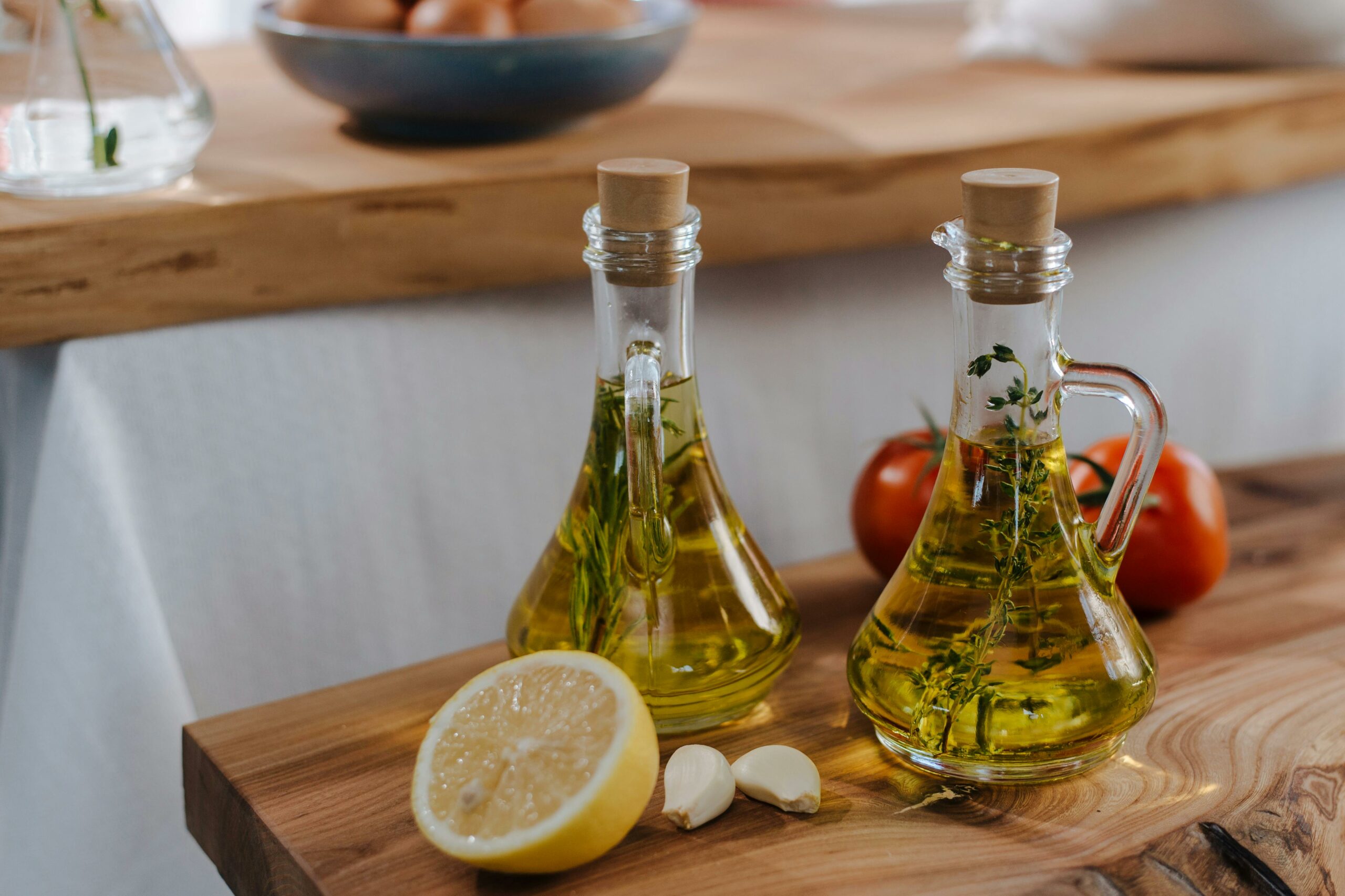
Perhaps the most celebrated cooking oil globally, extra virgin olive oil (EVOO) delivers complex flavors ranging from peppery and robust to mild and buttery, depending on olive variety, growing region, and harvest timing. This Mediterranean staple contains high levels of monounsaturated fats and powerful antioxidants including polyphenols and vitamin E.
Smoke point: 325-375°F (varies by quality and processing) Best uses: Salad dressings, marinades, drizzling over finished dishes, gentle sautéing, roasting vegetables Flavor profile: Fruity, grassy, peppery, slightly bitter Storage: Dark glass bottles in cool, dark locations; use within 6-12 months of opening
Despite misconceptions, quality EVOO can handle light to medium heat cooking without significant degradation. Research from organizations like the International Olive Council confirms that EVOO’s antioxidant content provides some protection against oxidation during cooking. However, reserve your finest, most expensive bottles for raw applications where subtle flavor nuances shine without heat interference.
When purchasing EVOO, look for harvest dates rather than just “best by” dates, darker glass bottles protecting contents from light damage, and certifications from reputable organizations verifying authenticity. Unfortunately, olive oil fraud remains common, with many products labeled “extra virgin” failing to meet legal standards.
Refined Olive Oil (Light or Pure Olive Oil)
Refined olive oil undergoes processing that removes most flavor compounds and free fatty acids, creating a more neutral-tasting product with a higher smoke point than extra virgin varieties. Often labeled “pure olive oil,” “light olive oil,” or simply “olive oil,” these products sometimes blend refined and virgin oils for subtle olive character without overpowering dishes.
Smoke point: 465-470°F Best uses: High-heat cooking, frying, baking where olive flavor isn’t desired Flavor profile: Mild, neutral with subtle olive notes Storage: Pantry storage acceptable; use within 12-18 months
This workhorse oil suits home cooks and professional kitchens needing olive oil’s health benefits and cooking properties without strong flavor that might clash with certain cuisines or preparations.
Canola Oil
Derived from rapeseed plants bred to contain minimal erucic acid, canola oil has become a kitchen staple due to its neutral flavor, affordability, versatility, and favorable omega-6 to omega-3 ratio (approximately 2:1, closer to ideal ratios than most vegetable oils). Its light texture and neutral taste allow other ingredients to shine while providing good stability during cooking.
Smoke point: 400°F (refined) Best uses: Baking, frying, sautéing, salad dressings, general-purpose cooking Flavor profile: Neutral, virtually flavorless Storage: Pantry storage; use within 6-12 months after opening
Critics note that most canola oil undergoes extensive processing including solvent extraction and deodorization, which removes beneficial compounds while creating neutral flavor. Organic, cold-pressed canola oil offers less processed alternatives for those concerned about industrial refinement methods, though these unrefined versions command higher prices and feature lower smoke points.
Avocado Oil
Surging in popularity, refined avocado oil boasts the highest smoke point among common cooking oils while delivering mild, buttery flavor and beneficial monounsaturated fats. Its nutrient profile resembles olive oil with high levels of oleic acid, vitamin E, and lutein supporting eye health.
Smoke point: 500-520°F (refined) Best uses: High-heat grilling, searing, stir-frying, deep frying, salad dressings Flavor profile: Mild, slightly buttery, neutral Storage: Pantry storage; use within 6-8 months after opening
Unrefined, virgin avocado oil offers deeper green color and more pronounced avocado flavor with a lower smoke point (375-400°F) better suited to dressings and low-heat applications. While more expensive than many alternatives, avocado oil’s exceptional heat stability and health benefits justify the investment for serious home cooks and professional chefs prioritizing quality.
Quality concerns have emerged in the avocado oil market, with studies revealing many products suffer from oxidation before reaching consumers or contain cheaper oil adulterants. Purchase from reputable brands, check for quality certifications, and store properly to maximize shelf life and benefits.
Coconut Oil
Available in refined and unrefined (virgin) forms, coconut oil divides opinions due to high saturated fat content (approximately 90%) despite growing popularity in health-conscious communities. Its unique fatty acid profile, rich in medium-chain triglycerides (MCTs), may offer metabolic advantages compared to long-chain saturated fats, though research continues evolving.
Smoke point: 350°F (unrefined), 400-450°F (refined) Best uses: Baking, sautéing, Asian and Caribbean cuisines, vegan butter substitute Flavor profile: Coconut flavor (unrefined), neutral (refined) Storage: Solid at cool room temperature; use within 12-24 months
Virgin coconut oil delivers pronounced coconut aroma and flavor ideal for tropical dishes, baked goods, and preparations celebrating its distinctive taste. Refined coconut oil removes flavor compounds, creating neutral options for those wanting coconut oil’s properties without its characteristic flavor affecting savory dishes.
The debate surrounding coconut oil’s health impacts continues, with some studies suggesting its saturated fat raises LDL cholesterol while others indicate neutral or beneficial effects. Moderate consumption within varied diets appears reasonable based on current evidence, though those with cardiovascular concerns should consult healthcare providers.
Vegetable Oil
“Vegetable oil” typically describes blends of refined soybean, corn, canola, and other seed oils, creating economical, neutral-flavored products suitable for general cooking. As a commodity product prioritizing affordability over distinctive characteristics, vegetable oil serves budget-conscious households and food service operations requiring large quantities for everyday cooking.
Smoke point: 400-450°F Best uses: Frying, baking, general cooking where oil flavor doesn’t matter Flavor profile: Completely neutral Storage: Pantry storage; use within 12 months
While functional, vegetable oil blends offer minimal nutritional advantages compared to specific oils like olive or avocado. Their high omega-6 content without balancing omega-3s contributes to fatty acid imbalances when used as primary fat sources. Consider vegetable oil as a budget-friendly option for applications where premium oils aren’t necessary rather than your go-to choice for all cooking needs.
Specialty Cooking Oils for Specific Applications
Beyond foundational oils, specialty options deliver unique flavors, nutritional profiles, or cultural authenticity that elevate specific dishes and preparations.
Sesame Oil
Two distinct sesame oil types serve different purposes, causing frequent confusion among cooks unfamiliar with Asian cooking traditions.
Light/Refined Sesame Oil
- Smoke point: 410-450°F
- Uses: High-heat cooking, frying, stir-frying
- Flavor: Mild, neutral, slightly nutty
- Common in: Indian cooking, general Asian cooking
Toasted/Dark Sesame Oil
- Smoke point: 350°F
- Uses: Finishing oil, dressings, marinades (not for high-heat cooking)
- Flavor: Intense, nutty, aromatic
- Common in: Chinese, Korean, Japanese cuisines
Never substitute one for another—light sesame oil works like other neutral cooking oils while toasted sesame oil functions as a powerful flavoring agent added in small amounts at the end of cooking or in dressings. A few drops of toasted sesame oil dramatically transform Asian noodle dishes, stir-fries, and salad dressings.
Peanut Oil
Popular in Asian cooking and Southern American cuisine, peanut oil’s high smoke point and subtle nutty flavor make it ideal for deep frying and stir-frying. Its resistance to absorbing flavors during frying allows reuse more effectively than many alternatives, making it economical for restaurants despite higher unit costs.
Smoke point: 450°F (refined) Best uses: Deep frying, stir-frying, Thai and Chinese cooking Flavor profile: Mild peanut flavor (unrefined), neutral (refined) Storage: Pantry storage; use within 6-12 months
Refined peanut oil typically doesn’t trigger peanut allergies because processing removes allergenic proteins, though individuals with severe allergies should consult allergists before use. Unrefined peanut oil retains proteins and may cause reactions, requiring careful label reading and medical guidance for allergy sufferers.
Sunflower Oil
High-oleic sunflower oil offers similar benefits to olive and avocado oils with high monounsaturated fat content, while traditional sunflower oil provides neutral flavor at affordable prices. This versatility makes sunflower oil increasingly popular among health-conscious cooks seeking olive oil alternatives.
Smoke point: 440-450°F (refined) Best uses: Frying, baking, salad dressings, general cooking Flavor profile: Neutral, slightly nutty Storage: Pantry storage; use within 6-12 months
High-oleic varieties specifically bred for increased monounsaturated fats offer superior heat stability and longer shelf life compared to standard sunflower oil’s higher polyunsaturated content. When shopping, check labels distinguishing between standard and high-oleic varieties to match products to intended uses.
Walnut Oil
This luxurious finishing oil delivers rich, nutty flavor that transforms salads, pasta dishes, and roasted vegetables. Its delicate nature and high polyunsaturated fat content make it unsuitable for cooking, reserving it exclusively for raw applications where its distinctive flavor shines.
Smoke point: 320°F (too low for most cooking) Best uses: Salad dressings, drizzling over finished dishes, baking at low temperatures Flavor profile: Rich, distinctive walnut flavor Storage: Refrigerate after opening; use within 3-6 months
Purchase walnut oil in small quantities since it oxidizes quickly, developing rancid off-flavors that ruin dishes. The investment pays dividends when used fresh, adding sophisticated nuttiness to simple preparations. Toasted walnut oil offers even more intense flavor for special occasions.
Grapeseed Oil
Derived from wine grape seeds, grapeseed oil provides clean, neutral flavor with moderately high smoke point suitable for various cooking methods. Proponents highlight its light texture and high polyunsaturated fat content, though critics note unfavorable omega-6 to omega-3 ratios and extensive processing requirements.
Smoke point: 420°F Best uses: Sautéing, stir-frying, salad dressings, marinades Flavor profile: Clean, neutral, very light Storage: Pantry storage; refrigeration extends shelf life; use within 6 months
Its light, almost imperceptible flavor makes grapeseed oil popular for vinaigrettes and mayonnaise where oil shouldn’t dominate. Professional chefs appreciate its ability to carry herb and spice flavors in infused oils without interfering with delicate aromatics.
Flaxseed Oil (Linseed Oil)
Valued for exceptional omega-3 content, flaxseed oil serves as a nutritional supplement and salad dressing base rather than cooking oil. Its extremely low smoke point and rapid oxidation make heat applications inappropriate and require refrigerated storage immediately after opening.
Smoke point: 225°F (never heat) Best uses: Salad dressings, smoothies, drizzling over finished foods Flavor profile: Nutty, slightly bitter, grassy Storage: Refrigerate in dark bottles; use within 6-8 weeks after opening
Purchase flaxseed oil in small bottles from refrigerated sections, check pressing dates for freshness, and never cook with it despite health benefits. Its omega-3 richness makes it valuable for those seeking plant-based alpha-linolenic acid (ALA) supplementation, though some find its strong flavor challenging in culinary applications.
Cooking Methods and Ideal Oil Matches
Matching oils to cooking techniques ensures optimal results while avoiding smoke, off-flavors, and wasted money using expensive oils where cheaper alternatives work equally well.
Deep Frying
Deep frying demands oils with high smoke points, neutral flavors (unless flavor is intentional), and stability during extended heating at 350-375°F. Professional kitchens and home cooks need oils that can be reused multiple times while maintaining quality and safety.
Best oils for deep frying:
- Refined peanut oil (traditional choice for Asian cooking and Southern fried chicken)
- Refined avocado oil (expensive but superior heat stability)
- Refined safflower oil (high smoke point, neutral flavor)
- Refined sunflower oil (economical, high smoke point)
- Canola oil (budget-friendly, decent stability)
- Vegetable oil blends (most economical for large-scale frying)
Filter oil between uses to remove food particles that accelerate degradation, monitor oil temperature with thermometers avoiding overheating, and discard oil showing dark color, off-odors, excessive foaming, or smoking at normal frying temperatures. Quality restaurants prioritize sourcing premium edible oils from reliable suppliers offering comprehensive quality certifications and consistent supply chains that meet international food safety standards.
Sautéing and Pan-Frying
These medium to medium-high heat techniques (320-375°F) allow more flexibility in oil selection, permitting both refined and some unrefined options depending on desired flavor contribution.
Excellent choices for sautéing:
- Extra virgin olive oil (adds flavor; perfect for Mediterranean dishes)
- Refined olive oil (neutral option with olive oil benefits)
- Avocado oil (mild flavor, high stability)
- Canola oil (neutral, versatile, economical)
- Coconut oil (adds flavor to appropriate cuisines)
- Light sesame oil (neutral for Asian cooking)
Sautéing vegetables, proteins, and aromatics benefits from oils that complement rather than compete with ingredient flavors. Extra virgin olive oil elevates Italian and Mediterranean preparations while neutral oils let delicate fish or vegetable flavors dominate.
Stir-Frying
High-heat stir-frying (400-500°F) requires oils that handle intense, quick cooking without smoking or breaking down. Wok cooking particularly demands high smoke point oils that maintain quality during rapid temperature changes.
Best stir-frying oils:
- Refined peanut oil (traditional Chinese choice)
- Avocado oil (highest heat tolerance)
- Light sesame oil (neutral; add toasted sesame oil at end)
- Refined sunflower oil (economical alternative)
- Canola oil (budget-friendly option)
The key to successful stir-frying involves getting oil very hot before adding ingredients, working in small batches preventing temperature drops, and using oil sparingly since high heat and surface area maximize cooking efficiency.
Baking
Baking recipes often call for neutral oils that won’t interfere with other flavors while providing moisture and tender crumb structure. Some baked goods benefit from distinctively flavored oils adding character to finished products.
Popular baking oils:
- Canola oil (neutral, widely used in cakes and muffins)
- Vegetable oil (economical, neutral)
- Light olive oil (neutral with subtle olive notes)
- Coconut oil (adds flavor and moisture; melted for liquid measurement)
- Avocado oil (neutral, premium option)
- Sunflower oil (neutral, light texture)
Oil-based cakes tend to stay moist longer than butter-based versions due to oil’s liquid state at room temperature. When substituting oil for butter in recipes, use approximately 75% of the butter amount (¾ cup oil replaces 1 cup butter) and expect textural differences in the finished product.
Grilling
Direct grilling requires high smoke point oils brushed on food preventing sticking and adding flavor. Oil should withstand intense radiant heat without burning or creating acrid flavors.
Best oils for grilling:
- Avocado oil (highest smoke point available)
- Refined peanut oil (traditional choice)
- Refined safflower oil (high heat tolerance)
- Canola oil (budget-friendly)
- Light olive oil (moderate heat; watch carefully)
Brush oil on food rather than directly on grates to prevent flare-ups and smoking. For vegetables and delicate proteins, oil prevents drying and sticking while creating beautiful grill marks enhancing visual appeal.
Salad Dressings and Cold Applications
Raw applications showcase oil flavor without heat interference, making this the ideal opportunity to use expensive, flavorful oils that would be wasted in cooking applications.
Premium choices for dressings:
- Extra virgin olive oil (traditional vinaigrette base)
- Walnut oil (nutty, sophisticated flavor)
- Toasted sesame oil (Asian-inspired dressings; use sparingly)
- Avocado oil (mild, creamy texture)
- Flaxseed oil (nutritional boost with distinct flavor)
- Hazelnut oil (luxurious, nutty)
Combine flavorful oils with acids (vinegar, citrus juice), emulsifiers (mustard, honey), aromatics (garlic, shallots), and seasonings creating balanced vinaigrettes. The classic ratio of three parts oil to one part acid serves as a starting point, adjusting based on acid intensity and personal preference.
Low-Temperature Roasting and Baking
Roasting vegetables and proteins at moderate temperatures (325-375°F) allows use of oils with medium smoke points including extra virgin olive oil, which adds flavor while remaining stable at these temperatures.
Good roasting oils:
- Extra virgin olive oil (flavorful, appropriate for moderate heat)
- Avocado oil (neutral, very stable)
- Refined coconut oil (adds subtle sweetness)
- Canola oil (neutral, economical)
Toss vegetables thoroughly with oil before roasting, ensuring even coating preventing burning while promoting caramelization. The right amount of oil creates crispy exteriors without greasiness.
Nutritional Considerations
Beyond cooking properties, oils provide essential fatty acids, fat-soluble vitamins, and various health compounds. Understanding nutritional profiles helps you choose oils supporting dietary goals and overall wellness.
Heart Health Perspectives
Decades of nutrition research have examined relationships between dietary fats and cardiovascular health, though recommendations continue evolving as new studies provide nuanced understanding replacing outdated blanket recommendations.
Heart-healthy oils according to current evidence:
- Extra virgin olive oil (Mediterranean diet cornerstone linked to reduced heart disease)
- Avocado oil (similar fatty acid profile to olive oil)
- Canola oil (favorable omega ratios)
- High-oleic sunflower oil (improved fatty acid composition)
The American Heart Association emphasizes replacing saturated fats with unsaturated fats rather than eliminating dietary fat entirely, recognizing that fat quality matters more than total fat consumption within reasonable limits. This nuanced view acknowledges beneficial roles of monounsaturated and polyunsaturated fats while suggesting moderation with saturated and complete avoidance of trans fats.
Omega-3 and Omega-6 Balance
Modern Western diets typically provide excessive omega-6 fatty acids relative to omega-3s, with ratios around 15:1 or higher compared to optimal ranges of 1:1 to 4:1. This imbalance may contribute to chronic inflammation underlying various health conditions.
Omega-3 rich oils:
- Flaxseed oil (highest plant-based source)
- Walnut oil (good omega-3 content)
- Canola oil (best omega ratio among common cooking oils)
High omega-6 oils (use in moderation):
- Corn oil
- Soybean oil
- Sunflower oil (standard, not high-oleic)
- Safflower oil (standard, not high-oleic)
- Grapeseed oil
Balancing oil selections helps optimize fatty acid intake. Use omega-6 heavy oils sparingly while emphasizing olive, avocado, and canola oils with better fatty acid profiles. Incorporate fatty fish, fish oil supplements, or plant-based omega-3 sources beyond just cooking oils.
Vitamin E and Antioxidants
Many oils provide vitamin E, a fat-soluble antioxidant protecting cells from oxidative damage while supporting immune function and skin health. Extra virgin olive oil contains additional polyphenols and phenolic compounds with anti-inflammatory and antioxidant properties.
High vitamin E oils:
- Sunflower oil (highest vitamin E content)
- Safflower oil (excellent vitamin E source)
- Almond oil (rich in vitamin E)
- Wheat germ oil (extremely high vitamin E)
- Avocado oil (good vitamin E content)
Refining processes reduce antioxidant content, making unrefined oils nutritionally superior despite lower smoke points and shorter shelf lives. For nutritional benefits, incorporate small amounts of unrefined oils in raw applications alongside refined oils for cooking.
Calories and Weight Management
All oils contain approximately 120 calories and 14 grams of fat per tablespoon regardless of source, since pure fat provides 9 calories per gram. While some oils offer superior nutritional profiles, none qualify as “diet” or “low-calorie” options—all require portion control within balanced diets.
Measure oils carefully rather than pouring freely, use oil sprayers or misters creating thin coatings with less total oil, and recognize that “healthy oil” doesn’t mean unlimited consumption. The healthiest oils still contribute significant calories that can disrupt weight management goals when consumed excessively.
Storage and Shelf Life
Proper storage extends oil shelf life, preserves flavor quality, and prevents rancidity that creates unpleasant tastes and potentially harmful oxidation products.
General Storage Guidelines
Heat, light, and oxygen represent the three enemies of oil quality, promoting oxidation that creates rancid off-flavors and reduces beneficial compounds.
Optimal storage practices:
- Store in dark glass bottles or opaque containers blocking light exposure
- Keep in cool, dark pantry away from stoves and heat sources
- Seal tightly after each use minimizing oxygen exposure
- Buy appropriate quantities used within recommended timeframes
- Never store near heat sources, windows, or in direct sunlight
Many oils come in clear bottles appealing to consumers but inappropriate for long-term storage. Transfer to dark bottles or store originals in dark cabinets protecting contents from light damage.
Refrigeration Requirements
Oils requiring refrigeration:
- Flaxseed oil (always refrigerate)
- Walnut oil (refrigerate after opening)
- Hazelnut oil (refrigerate after opening)
- Any unrefined nut oils (refrigerate after opening)
Oils benefiting from refrigeration (extends shelf life):
- Extra virgin olive oil (optional but beneficial)
- Avocado oil (extends freshness)
- High-quality seed oils (prevents oxidation)
Some oils become cloudy or semi-solid when refrigerated but return to liquid state at room temperature without quality loss. This cloudiness doesn’t indicate problems—it’s simply a physical change from cold temperatures.
Shelf Life by Oil Type
Long shelf life (12-24 months):
- Refined coconut oil
- Refined peanut oil
- Refined sunflower oil
- Refined safflower oil
Moderate shelf life (6-12 months):
- Extra virgin olive oil
- Canola oil
- Vegetable oil blends
- Avocado oil
- Sesame oil
Short shelf life (3-6 months after opening):
- Flaxseed oil
- Walnut oil
- Hazelnut oil
- Grapeseed oil
- Unrefined nut and seed oils
These ranges assume proper storage conditions. Heat, light, and oxygen exposure accelerate degradation, shortening even oils with naturally long shelf lives.
Detecting Rancidity
Rancid oil smells unpleasant (like crayons, paint, or putty), tastes bitter or sour, and should be discarded immediately. Never use questionable oil hoping cooking will mask off-flavors—it won’t, and rancid oils may contain harmful oxidation products.
Check oils regularly, especially those stored for extended periods, and mark opening dates on bottles tracking freshness. When in doubt, smell and taste oil before using in recipes where it might ruin entire dishes.
Cost-Effective Oil Strategies
Quality oils represent kitchen investments worth making, but smart shopping and strategic usage maximize value while maintaining culinary standards.
Building a Tiered Oil Collection
Budget tier (everyday cooking):
- Canola or vegetable oil for general cooking
- Light olive oil for versatile applications
- One neutral high-heat oil for frying
Mid-range tier (frequent use):
- Good-quality extra virgin olive oil for regular use
- Avocado oil for high-heat cooking
- Toasted sesame oil for Asian dishes
Premium tier (special occasions):
- Estate extra virgin olive oil for finishing
- Specialty nut oils for dressings
- Flavored or infused oils for specific dishes
This tiered approach prevents wasting expensive oils on applications where cheaper alternatives work equally well while ensuring special ingredients available when they truly enhance dishes.
Buying in Bulk
Large containers offer better per-unit pricing but only make financial sense if used before quality deteriorates. Calculate realistic usage rates before committing to bulk purchases, especially for oils with limited shelf lives.
Splitting bulk purchases with friends or family members reduces per-person costs while ensuring everyone uses oil while fresh. Many warehouse clubs sell restaurant-sized containers at attractive prices but require quick turnover avoiding waste.
When to Splurge vs. Save
Worth premium prices:
- Extra virgin olive oil for dressings and finishing
- Avocado oil for high-heat cooking if frequently deep frying
- Specialty oils adding unique flavors to signature dishes
Save money here:
- Neutral oils for baking (canola works as well as expensive alternatives)
- Frying oil for breaded foods where flavor gets masked
- Oils used in heavily seasoned or spiced dishes
Match oil quality to application importance. A simple pasta dish highlighting excellent olive oil justifies splurging on estate-bottled EVOO, while brownies taste equally good made with affordable canola oil instead of premium avocado oil.
Common Cooking Oil Mistakes
Avoiding these frequent errors improves cooking results while preventing wasted money and disappointing meals.
Using Extra Virgin Olive Oil for Everything
While EVOO excels in many applications, its relatively low smoke point and pronounced flavor make it inappropriate for high-heat cooking or dishes where neutral oil works better. Reserve premium EVOO for raw or low-heat applications, switching to refined olive oil or other high smoke point alternatives for frying, searing, and stir-frying.
Neglecting Smoke Points
Pushing oil beyond its smoke point creates acrid flavors, potentially harmful compounds, and kitchen smoke that sets off alarms. Learn smoke points of commonly used oils and match them appropriately to cooking methods avoiding degradation and off-flavors.
Improper Storage
Keeping oil near stoves, in clear bottles on windowsills, or failing to seal containers properly accelerates oxidation and rancidity. Implement proper storage practices protecting your investment and ensuring oil quality when needed.
Using Rancid Oil
Some cooks continue using oil past its prime, thinking it’s still acceptable if not completely spoiled. Rancid oil ruins dishes and provides no nutritional benefits—discard questionable oil immediately rather than trying to salvage it.
Reusing Oil Too Many Times
While oil can be filtered and reused for deep frying, too many cycles create degraded oil with off-flavors, dark color, and reduced smoke point. Monitor oil quality, strain between uses, and replace when showing signs of deterioration.
Buying Wrong Sesame Oil Type
Purchasing toasted sesame oil expecting neutral cooking oil or attempting to stir-fry with delicate finishing oil leads to disappointment. Understand the difference between light and toasted sesame oil, using each appropriately.
International Oil Traditions
Different cultures developed distinct oil preferences based on local agriculture, climate, culinary traditions, and flavor profiles that define their cuisines.
Mediterranean Traditions
Olive oil dominates Mediterranean cooking from Spain through Italy and Greece to the Middle East. Families often maintain multi-generational relationships with specific olive groves, celebrating annual harvests and prizing first cold pressings. This cultural importance transcends simple ingredient status—quality olive oil represents heritage, terroir, and family tradition.
Mediterranean cooks use olive oil liberally, finishing dishes with generous drizzles adding richness and fruity olive notes. They understand that good olive oil enhances rather than masks food, bringing out natural flavors while contributing its own character.
Asian Oil Preferences
Asian cuisines utilize diverse oils reflecting regional availability and flavor preferences. Chinese cooking traditionally relies on peanut oil for high-heat stir-frying, sesame oil for finishing touches, and lard for certain regional specialties. Japanese cooking employs both light sesame oil and vegetable oils, while toasted sesame oil adds distinctive flavor to dressings and finishing touches.
Southeast Asian cuisines increasingly use refined palm oil, coconut oil, and peanut oil suited to local dishes and high-heat cooking methods. Indian cooking traditionally featured ghee (clarified butter) alongside mustard oil, sesame oil, and coconut oil depending on regional traditions.
American Cooking Evolution
American cooking traditions have evolved from heavy reliance on lard, butter, and Crisco toward vegetable oils, canola oil, and increasingly health-conscious choices like olive and avocado oils. Regional differences persist—Southern cooking maintains strong ties to peanut oil for frying while California cuisine embraces olive oil reflecting Mediterranean influences and local production.
The health food movement has driven growing interest in less processed, cold-pressed oils and awareness about fatty acid composition, pushing beyond decades of generic “vegetable oil” ubiquity toward more thoughtful oil selection based on cooking method, nutrition, and flavor.
Specialty and Gourmet Oils
Beyond common cooking oils, specialty products offer unique flavors and experiences for adventurous cooks willing to invest in distinctive ingredients.
Truffle Oil
Typically olive or neutral oil infused with truffle essence (often synthetic truffle flavoring rather than real truffles), truffle oil divides culinary opinion. Critics decry synthetic versions as inauthentic while proponents argue they provide truffle aroma at accessible prices.
Quality truffle oil made with real truffle pieces commands premium prices but delivers authentic earthiness finishing pasta dishes, risotto, eggs, and pizza. Use sparingly—a few drops transform dishes without overwhelming them.
Infused Oils
Commercially produced and homemade infused oils add garlic, herbs, chili peppers, citrus, or other aromatics creating convenient flavor enhancers. While appealing, homemade infused oils require careful attention to food safety preventing botulism risk from low-acid ingredients like garlic stored in oil at room temperature.
Safe infusion practices:
- Use only for immediate consumption if including fresh garlic or herbs
- Refrigerate infused oils and use within one week
- Dried herbs and spices pose less risk than fresh ingredients
- Consider acidifying ingredients before oil infusion
- Commercial products undergo safety processing enabling shelf-stable storage
Commercially prepared infused oils follow food safety protocols unavailable to home cooks, making them safer choices for longer storage. However, homemade versions offer customization and freshness when properly handled.
Nut Oils Beyond Walnut
Almond, hazelnut, pistachio, and macadamia oils provide distinct nutty flavors for special preparations. Their delicate nature and short shelf lives make them expensive finishing oils rather than everyday cooking options.
These luxury oils shine drizzled over desserts, incorporated into vinaigrettes for special salads, or adding sophisticated nuttiness to baked goods. Purchase small bottles, refrigerate after opening, and use quickly while fresh for best results.
Pumpkin Seed Oil
Popular in Austrian and Eastern European cuisines, dark green pumpkin seed oil offers rich, nutty, almost chocolatey flavor that transforms simple dishes. Its low smoke point and delicate nature restrict it to finishing applications where its distinctive flavor can be appreciated.
Drizzle pumpkin seed oil over soups, roasted vegetables, vanilla ice cream (a traditional Austrian combination), or use in autumnal vinaigrettes celebrating seasonal flavors. Its deep color and unique taste make it conversation-starting ingredient for adventurous cooks.
Industrial and Commercial Considerations
Restaurants, catering operations, and food manufacturers face different oil selection criteria than home cooks, prioritizing consistency, cost-efficiency, food safety compliance, and large-volume requirements.
Volume Purchasing
Commercial kitchens order cooking oil in quantities from 35-pound jugs to bulk tanker deliveries, negotiating contracts based on projected usage. Many food service operations establish relationships with distributors or work directly with producers securing competitive pricing through volume commitments. For international businesses requiring bulk edible oils with comprehensive certifications, specialized agricultural commodity suppliers like AK Agricultural Supplies provide sunflower oil, soybean oil, palm oil, canola oil, olive oil, and other varieties in flexitank containers or retail packaging, all meeting ISO quality standards and international food safety requirements.
Understanding market dynamics helps businesses optimize purchasing timing, taking advantage of seasonal price fluctuations and securing favorable terms through strategic ordering. Large commercial users often maintain dual supplier relationships ensuring uninterrupted supply even during market disruptions or supplier challenges.
Frying Oil Management
Professional kitchens implement systematic oil management programs extending frying oil life while maintaining food quality and safety. Test strips or electronic devices monitor total polar materials (TPM), free fatty acids, and other degradation indicators signaling when oil requires disposal.
Commercial frying best practices:
- Filter oil multiple times daily removing food particles
- Maintain proper frying temperatures avoiding overheating
- Top off with fresh oil rather than completely discarding (when quality permits)
- Keep dedicated oils for different food types preventing flavor transfer
- Test oil quality regularly using standardized protocols
- Dispose of used oil through proper waste management channels
Proper frying oil management dramatically impacts food costs and quality consistency, making it critical operational consideration for any restaurant serving fried foods.
Food Safety and Allergen Management
Commercial operations must track allergens including peanut oil and sesame oil, implementing protocols preventing cross-contact for customers with allergies. Dedicated fryers, separate preparation areas, and staff training ensure safety while allowing establishments to offer diverse menu options.
Documentation systems track oil sources, lot numbers, and testing results supporting food safety compliance and traceability requirements. These records prove essential during health inspections and enable rapid response if supplier recalls or quality issues arise.
Sustainability and Ethical Sourcing
Many food service operations prioritize sustainably produced oils, seeking certifications like RSPO (Roundtable on Sustainable Palm Oil) for palm-derived products, organic certification for appropriate products, and suppliers following ethical labor practices and environmental stewardship.
Communicating these sourcing decisions to customers builds brand reputation and attracts diners valuing corporate responsibility alongside food quality. Transparency about oil sources demonstrates commitment to values increasingly important to conscious consumers.
Oil Substitutions in Recipes
Understanding how to substitute oils helps when lacking specific ingredients or adapting recipes to dietary preferences and available pantry staples.
Basic Substitution Principles
Oils generally substitute for each other in equal amounts, though flavor and smoke point differences affect results. Consider both the recipe’s cooking method and flavor profile when choosing substitutes.
For neutral flavor requirements:
- Canola, vegetable, sunflower, and grapeseed oils interchange freely
- Light olive oil substitutes for any neutral oil in most applications
- Avocado oil works anywhere neutral oil is needed despite higher cost
For flavor contributions:
- Extra virgin olive oil adds Mediterranean character—substitute other flavorful oils only if desired flavor change
- Coconut oil provides distinctive taste—substitute only in recipes where coconut flavor works
- Nut oils deliver specific flavors difficult to replicate with alternatives
Butter to Oil Conversions
When converting recipes from butter to oil or vice versa, remember that butter contains approximately 80% fat and 20% water plus milk solids. Use about ¾ cup oil to replace 1 cup butter (or ¾ the butter amount in oil).
Baked goods made with butter versus oil have different textures—butter creates flakier, more tender results while oil produces moister, denser crumb that stays soft longer. Consider these differences when deciding whether to substitute.
Oil to Applesauce or Other Fat Substitutes
Some health-conscious bakers replace oil partially or completely with applesauce, mashed bananas, or Greek yogurt reducing fat and calories while maintaining moisture. These substitutions work better in quick breads, muffins, and cakes than in recipes requiring fat’s structural properties.
Start by replacing half the oil with substitutes, adjusting based on results. Complete oil elimination often produces acceptable but noticeably different results compared to original recipes.
Global Oil Production and Trade
Understanding where cooking oils come from provides context for pricing, quality variations, availability fluctuations, and sustainability considerations shaping modern oil markets.
Major Producing Regions
Olive Oil: Mediterranean basin (Spain, Italy, Greece, Turkey, Tunisia) dominates production, with growing industries in California, Chile, Argentina, and Australia providing Southern Hemisphere harvest seasons extending fresh oil availability year-round.
Palm Oil: Indonesia and Malaysia produce over 85% of global palm oil, with production expansion raising environmental concerns about rainforest clearing and habitat destruction despite industry sustainability initiatives.
Soybean Oil: United States, Brazil, and Argentina lead soybean production, providing most global supply of this commodity oil widely used in food processing and cooking oil blends.
Canola/Rapeseed Oil: Canada (where “canola” originated), European Union, China, and India produce most rapeseed for oil extraction.
Coconut Oil: Philippines, Indonesia, India, and Sri Lanka dominate coconut oil production, supplying global demand for both culinary and cosmetic applications.
Supply Chain Considerations
Weather events, political instability, trade policies, currency fluctuations, and changing agricultural practices all impact oil availability and pricing. Droughts in olive-growing regions create shortages driving prices higher, while abundant harvests elsewhere may lower costs for alternative oils.
Understanding these dynamics helps consumers anticipate price changes and adjust purchasing accordingly. Building pantry reserves during favorable pricing protects against future cost increases, though storage limitations and shelf life considerations require balance.
Environmental and Sustainability Issues
Modern cooking oil production faces scrutiny regarding environmental impacts, land use, labor practices, and sustainability, influencing purchasing decisions for environmentally conscious consumers and businesses.
Palm Oil Controversy
Palm oil production has devastated rainforests in Southeast Asia, destroying orangutan and tiger habitats while contributing to climate change through deforestation and peatland drainage. These environmental costs have prompted consumer boycotts, sustainability certification programs, and corporate commitments to responsible sourcing.
The Roundtable on Sustainable Palm Oil (RSPO) certifies producers meeting environmental and social standards, though critics argue certification doesn’t prevent all destructive practices. Some consumers avoid palm oil entirely while others seek RSPO-certified products supporting better practices.
Palm oil’s exceptional productivity per acre means alternatives like soy or sunflower oil would require significantly more land producing equivalent yields, creating complex trade-offs between avoiding palm oil and potentially worse environmental impacts from substitutes.
Organic and Regenerative Agriculture
Organic oil production prohibits synthetic pesticides and fertilizers, reducing environmental contamination and promoting soil health. Regenerative agriculture goes further, actively improving soil quality, sequestering carbon, and enhancing biodiversity rather than merely sustaining current conditions.
These production methods typically increase costs, reflected in premium pricing for certified organic and regenerative products. Consumers must decide whether environmental benefits justify additional expense based on personal values and budget constraints.
Local and Regional Oil Production
Supporting local oil producers reduces transportation emissions, supports regional agriculture, and often provides fresher products with known provenance. Areas with olive, sunflower, or specialty crop cultivation increasingly offer locally produced oils at farmers’ markets and specialty retailers.
However, not all regions can produce all oils economically. Balancing local sourcing preferences with practical availability and cost realities requires pragmatic approaches prioritizing local options when available while accepting that global sourcing remains necessary for many products.
Cooking Oil Myths and Facts
Separating science from folklore helps cooks make evidence-based decisions rather than following outdated or incorrect information.
Myth: All Saturated Fats Are Unhealthy
Reality: Current research suggests saturated fat impacts vary by source and dietary context. Medium-chain triglycerides in coconut oil may behave differently than long-chain saturated fats in animal products. Total diet quality matters more than single nutrient focus, though most health organizations still recommend limiting saturated fat intake.
Myth: Expensive Oil Always Tastes Better
Reality: Price reflects various factors including production costs, rarity, marketing, and packaging beyond just flavor. Blind taste tests often reveal that moderately priced oils compete successfully with premium options for many applications. Judge oils on their merits for specific uses rather than assuming higher prices guarantee superior results.
Myth: Cooking with Olive Oil Creates Trans Fats
Reality: This persistent myth lacks scientific support. Trans fats form during industrial hydrogenation, not home cooking. While heating any oil past its smoke point creates undesirable compounds, it doesn’t produce trans fats. Use olive oil confidently for appropriate cooking methods without fear of trans fat formation.
Myth: Oil Pulls Toxins from the Body (Oil Pulling)
Reality: Oil pulling (swishing oil in the mouth for oral health) lacks robust scientific evidence supporting detoxification claims. While possibly providing some oral hygiene benefits similar to mouthwash, it doesn’t remove toxins from the body or cure diseases as some proponents claim.
Myth: Refrigeration Ruins Olive Oil
Reality: Refrigerating olive oil may cause cloudiness from solidifying fatty acids, but this reversible physical change doesn’t harm quality. Oil returns to clear liquid at room temperature. Refrigeration can actually extend shelf life for oils used slowly, though most people find pantry storage convenient and adequate.
Myth: All Vegetable Oils Are the Same
Reality: “Vegetable oil” encompasses diverse products with different fatty acid profiles, processing methods, and nutritional characteristics. Specific oils—olive, avocado, canola, sunflower—offer distinct advantages over generic blends labeled simply “vegetable oil.”
Future Trends in Cooking Oils
Innovation and changing consumer preferences continue shaping oil markets, with emerging products and production methods creating new options for adventurous cooks and health-conscious consumers.
Algae and Novel Oil Sources
Researchers develop oils from algae, genetically modified crops, and other unconventional sources aiming to improve sustainability, enhance nutritional profiles, or create unique properties. Algae-based omega-3 oils offer plant-based alternatives to fish oil, while high-oleic soybeans provide improved fatty acid profiles without genetic modification.
These novel oils may gradually enter mainstream markets as production scales and costs decrease, though consumer acceptance depends on addressing concerns about GMO ingredients and unfamiliar food sources.
Carbon Neutral and Climate-Friendly Oils
Climate change concerns drive development of carbon-neutral oil production incorporating renewable energy, optimized processing reducing waste, and supply chains minimizing transportation emissions. Some producers participate in carbon offset programs or implement regenerative agriculture practices capturing atmospheric carbon in soil.
While currently niche, climate-friendly oil marketing may expand as consumers increasingly factor environmental impacts into purchasing decisions and companies seek competitive advantages through sustainability positioning.
Personalized Nutrition
Genetic testing and personalized nutrition services may eventually offer customized oil recommendations based on individual fatty acid metabolism, genetic variants affecting cardiovascular disease risk, and other personal factors. This highly individualized approach represents future possibilities rather than current reality, though the field evolves rapidly.
Technology-Enabled Quality Verification
Blockchain traceability, smartphone apps analyzing oil quality, and at-home testing devices may help consumers verify authenticity and freshness addressing fraud concerns and empowering more informed purchasing decisions. As these technologies mature and become accessible, they could transform how people buy and use cooking oils.
Practical Shopping Tips
Navigate oil aisles and make smart purchasing decisions with these actionable shopping strategies.
Reading Labels Effectively
Look beyond marketing claims to critical information:
- Extraction method: “Cold-pressed,” “expeller-pressed,” or “refined”
- Origin: Single-source products often indicate higher quality than blends
- Harvest or pressing date: Fresher than “best by” dates for oils like olive oil
- Certifications: USDA Organic, Non-GMO Project, PDO/PGI designations
- Smoke point: Sometimes listed; helps match oil to cooking needs
Ignore meaningless marketing terms like “natural” (all oils are naturally derived), “heart-healthy” (requires supporting evidence), or “lite” (may refer to color or flavor, not calories).
Recognizing Quality Indicators
For olive oil specifically:
- Dark glass or tin containers protecting from light
- Harvest date within past year
- Single-country or single-estate origin
- Certification seals from recognized organizations
- DOP, IGP, or PDO designations for European oils
For all oils:
- Minimal ingredient list (just oil, no additives)
- Appropriate packaging for oil type and shelf life
- Clear origin and producer information
- Realistic pricing (extremely cheap “extra virgin olive oil” likely isn’t authentic)
Where to Buy
Grocery stores: Convenient for common oils; limited specialty selection; varying quality depending on store Specialty food stores: Better selection of premium oils; knowledgeable staff; higher prices Online retailers: Widest selection; convenient; requires trust in shipping and handling Direct from producers: Freshest products; supports small producers; may offer better prices for quality Warehouse clubs: Excellent pricing for bulk purchases; limited selection; requires quick usage
Match shopping venues to specific needs—grocery stores for everyday oils, specialty retailers for special ingredients, bulk stores for high-volume usage, direct purchasing for premium products.
Conclusion: Building Your Oil Confidence
Mastering cooking oil selection transforms your cooking through better flavors, improved textures, and healthier preparations. While the variety of available oils can seem overwhelming initially, understanding basic categories, smoke points, and ideal applications creates frameworks for confident decision-making.
Start by establishing your kitchen foundation with versatile, everyday oils—extra virgin olive oil for raw applications and gentle cooking, neutral high-heat oil like avocado or canola for frying and stir-frying, and one or two specialty oils matching your cooking style. This modest collection handles most cooking needs without cluttering cabinets or wasting money on rarely used bottles developing rancidity.
As your confidence grows, experiment with specialty oils discovering how walnut oil transforms simple salads, toasted sesame oil adds authentic Asian character, or high-quality finishing olive oil elevates even simple pasta. These discoveries make cooking more enjoyable while expanding your culinary repertoire.
Remember that no single “best” oil exists for all purposes. The right oil depends on cooking method, desired flavor profile, nutritional priorities, budget considerations, and personal preferences. Professional chefs maintain diverse oil collections precisely because different situations demand different solutions—home cooks benefit from this same strategic approach.
Store oils properly protecting your investment from heat, light, and oxygen degradation. Rotate stock using older products first, monitor for rancidity, and accept that some waste occasionally occurs with oils used infrequently. Small bottles of specialty products prevent larger losses from spoilage.
Stay informed about oil nutrition continuing to evolve as research provides nuanced understanding beyond simplistic “good fat, bad fat” dichotomies. While cooking oils contribute calories requiring portion control, choosing quality oils with favorable fatty acid profiles supports overall health within balanced diets.
Most importantly, trust your palate. Taste oils before adding to recipes, experiment with different brands finding personal favorites, and develop preferences based on actual experience rather than marketing claims or trends. Your palate, combined with practical cooking knowledge, provides the best guide for building your ideal oil collection.
Whether you’re a home cook improving everyday meals, a professional chef optimizing restaurant operations, or a food enthusiast exploring culinary possibilities, understanding cooking oils empowers better decisions producing consistently excellent results. With this knowledge, confidently select the right oil for every cooking challenge, knowing you’re making informed choices that benefit your cooking, your health, and your budget.
The world of cooking oils offers endless discovery opportunities—embrace the journey, experiment boldly, and enjoy the delicious results of choosing the right oil every time.