



Why Quality Matters in the Nuts & Dried Fruits Trade
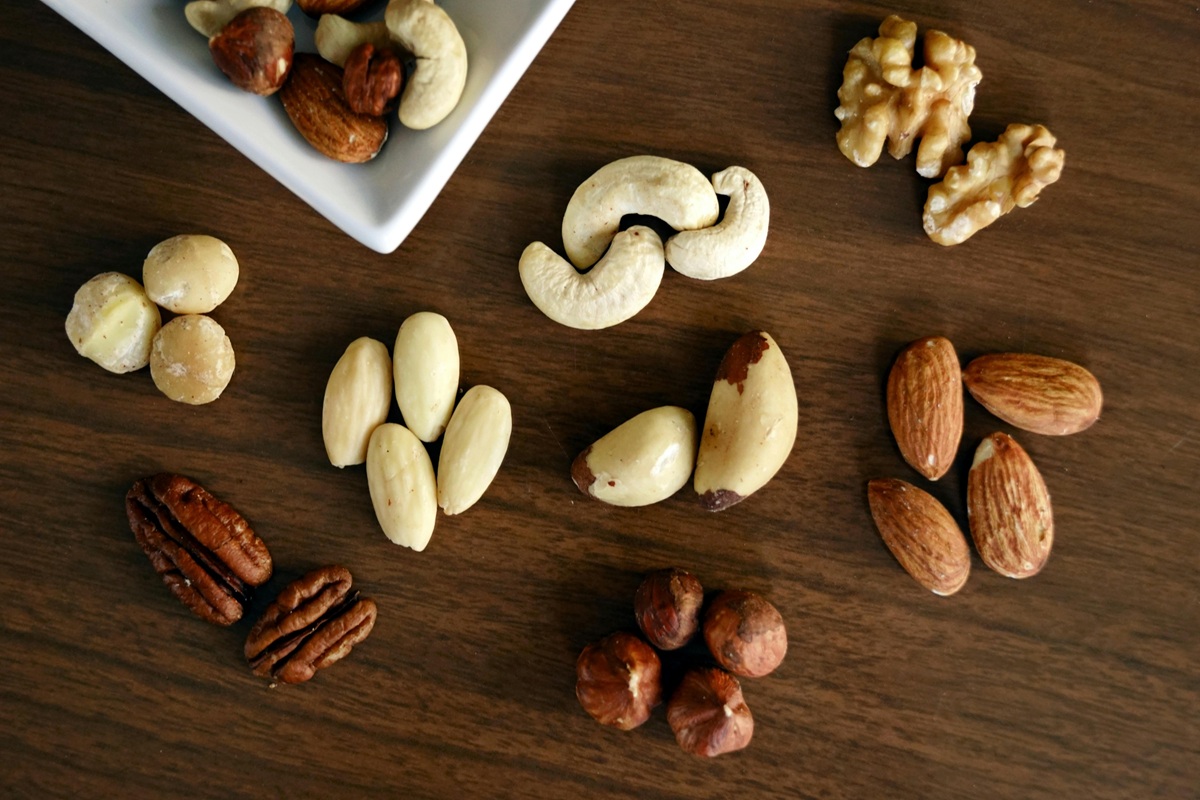
The global nuts and dried fruits market reached $145.6 billion in 2024 and continues to grow at 5.2% annually, driven by increasing health consciousness and demand for plant-based proteins. For wholesalers, distributors, and food processors, understanding quality grading, proper storage techniques, and shelf life management isn’t just about meeting standards—it’s about protecting profit margins and building lasting customer relationships.
Whether you’re sourcing premium cashews, organic almonds, or Medjool dates for retail chains, food manufacturing, or export markets, this comprehensive guide will equip you with the knowledge to make informed purchasing decisions, maintain product integrity, and maximize your return on investment.
Understanding Nut & Dried Fruit Quality Grading Systems
The Global Grading Framework
Quality grading for nuts and dried fruits varies by product type and origin country, but several international standards provide consistency across global markets. The United States Department of Agriculture (USDA) and Codex Alimentarius Commission have established baseline standards that many countries adopt or adapt.
Cashew Grading: The W-Scale Explained
Cashew kernels are graded primarily by size, color, and wholeness. The W-scale (Whole) represents intact kernels:
Premium Grades:
- W180: 180 kernels per pound (largest, most premium)
- W210: 210 kernels per pound
- W240: 240 kernels per pound
- W320: 320 kernels per pound (most common commercial grade)
- W450: 450 kernels per pound (smaller kernels)
Color Classifications:
- White/Pale Ivory: Premium grade with minimal discoloration
- Light Ash: Slight grayish tint, still acceptable for most applications
- Scorched: Heat-damaged, suitable only for processing
Quality Indicators:
- Moisture content: ≤5% for optimal shelf life
- Broken kernels: <5% in premium grades
- Foreign matter: <0.1%
- Insect damage: Zero tolerance in export grades
According to the Cashew Export Promotion Council of India, proper grading can increase wholesale value by 15-30% depending on market demand and seasonal availability.
Almond Quality Standards
California produces 80% of the world’s almonds, and the Almond Board of California sets rigorous standards:
Size Categories (kernels per ounce):
- 20/22: Extra-large premium
- 23/25: Large
- 27/30: Medium (standard commercial)
- 30/32: Small
Grade Classifications:
- Supreme: <1% defects, uniform size
- Extra No. 1: <2% defects
- No. 1 Whole and Broken: <5% defects
- No. 1 Pieces: Small pieces, <10% defects
Critical Quality Factors:
- Shell-out percentage: 25-28% (kernels to in-shell ratio)
- Moisture: 6-7% for optimal storage
- Oil content: 49-53% (affects flavor and texture)
- Aflatoxin levels: Must meet FDA standards (<20 ppb)
For detailed almond quality specifications, the Almond Board of California’s Quality Standards provides comprehensive technical documentation used by wholesalers worldwide.
Pistachio Grading Systems
Pistachios are graded based on opening percentage, kernel color, and defect levels:
Opening Classifications:
- Naturally Open: 85-95% open shells (premium)
- Mechanically Open: 50-70% open
- Closed Shell: <10% open (lower value)
Kernel Color Grades:
- Bright Green: Premium, highest market value
- Medium Green: Standard commercial grade
- Light Green/Cream: Lower grade, often used for processing
Size Grades (nuts per ounce):
- 18-20: Jumbo
- 20-22: Extra-large
- 22-24: Large
- 24-26: Medium
Walnut Quality Parameters
English walnuts dominate the commercial market with specific grading criteria:
Color Classifications:
- Extra Light (EL): Premium appearance, highest value
- Light (L): Standard commercial grade
- Light Amber (LA): Acceptable for most applications
- Amber (A): Processing grade
Size Standards:
- Halves: Must be at least ½ of whole kernel
- Pieces: ¼ to ½ of whole kernel
- Chips: Smaller than pieces
Quality Metrics:
- Moisture: 8% maximum for storage stability
- Foreign material: <0.1%
- Shell fragments: <1%
- Rancidity: Zero tolerance
Dried Fruits Grading Systems
Dates Quality Standards
Variety-Based Grading:
- Medjool: Premium large dates, soft texture
- Deglet Noor: Semi-dry, translucent
- Zahidi: Smaller, firmer texture
Quality Factors:
- Moisture content: 18-25% (varies by variety)
- Sugar content: 65-75%
- Color uniformity
- Blemish percentage: <5% in premium grades
Raisins Classification
Type-Based Grades:
- Natural Seedless (Dark): Sun-dried Thompson seedless
- Golden Seedless: Sulfur-dioxide treated for color retention
- Sultanas: Lighter colored, smaller grapes
USDA Grades:
- Grade A (Fancy): Superior color, uniform size, <2% defects
- Grade B (Choice): Good color, <5% defects
- Grade C (Standard): Acceptable quality, <10% defects
Dried Apricots & Figs
Apricot Grades:
- Sulfured: Bright orange, longer shelf life
- Natural/Unsulfured: Brown color, organic markets
Size Categories:
- Jumbo: 100-120 pieces per pound
- Extra Large: 120-140 pieces per pound
- Large: 140-160 pieces per pound
Fig Classifications:
- Layer Figs: Premium whole figs in layers
- Pulled Figs: Slightly opened, still high quality
- Cooking Figs: Processing grade
Optimal Storage Conditions for Extended Shelf Life
Critical Storage Principles:
- Cold Storage is Essential: Every 10°C increase in storage temperature cuts shelf life by 50%
- Humidity Management: Too low causes kernel shrinkage; too high promotes mold growth
- Air Circulation: Prevents hot spots and moisture accumulation
- Segregation: Store different products separately to prevent cross-contamination of flavors
Packaging Materials & Methods
Optimal Packaging Solutions:
For Short-Term Storage (3-6 months):
- Multi-wall paper bags with polyethylene liners
- Breathable yet moisture-resistant
- Cost-effective for high turnover
For Medium-Term Storage (6-12 months):
- Vacuum-sealed bags
- Modified atmosphere packaging (MAP)
- Reduces oxygen exposure by 95%
For Long-Term Storage (12+ months):
- Nitrogen flushed packaging
- Hermetically sealed containers
- Oxygen absorbers included
- Cold storage mandatory
Packaging Size Considerations:
- Bulk (25kg bags): Industrial processors, requires rapid usage
- Medium (10kg bags): Food service, better portion control
- Retail (500g-2kg): Consumer packs, maximum freshness preservation
Preventing Common Storage Problems
Rancidity Prevention
Causes:
- Oxidation of unsaturated fats
- High temperature storage
- Light exposure
- Moisture presence
Prevention Strategies:
- Inert gas flushing (nitrogen or carbon dioxide)
- Opaque packaging materials
- Temperature control below 10°C
- Antioxidant treatments (vitamin E for some products)
Insect Infestation Control
Common Pests:
- Indian meal moth (Plodia interpunctella)
- Cigarette beetle (Lasioderma serricorne)
- Saw-toothed grain beetle (Oryzaephilus surinamensis)
Prevention Methods:
- Fumigation before storage (phosphine gas for bulk)
- Regular inspection protocols
- Proper warehouse sanitation
- Temperature control (most insects inactive below 13°C)
- Hermetic storage containers
Mold & Aflatoxin Management
High-Risk Products:
- Peanuts (groundnuts)
- Pistachios
- Figs
Prevention Protocol:
- Moisture content monitoring (<8% for nuts)
- Regular testing for aflatoxin levels
- Source verification from certified suppliers
- Rapid cooling post-harvest
- Proper ventilation systems
Shelf Life Management for Wholesalers
Understanding Shelf Life Variables
Shelf life depends on multiple interconnected factors:
Intrinsic Factors:
- Oil content (higher = shorter shelf life)
- Moisture content
- Initial quality at harvest
- Processing methods used
Extrinsic Factors:
- Storage temperature
- Packaging integrity
- Light exposure
- Handling practices
Product-Specific Shelf Life Guidelines
Cashews
Optimal Conditions: 12-18 months
- Raw, refrigerated: 12 months
- Roasted, ambient: 6 months
- Roasted, refrigerated: 9 months
- Vacuum sealed: +50% extension
Quality Indicators:
- Color: Should remain white/pale ivory
- Texture: Firm, crisp bite
- Aroma: Sweet, nutty (no rancid smell)
Almonds
Optimal Conditions: 18-24 months
- Raw, refrigerated: 24 months
- Raw, frozen: 36 months
- Roasted, refrigerated: 12 months
- Natural vs blanched: Blanched last longer (no skin oxidation)
Degradation Signs:
- Bitter taste (early rancidity)
- Rubbery texture (moisture absorption)
- Dark spots (mold or oxidation)
Pistachios
Optimal Conditions: 12 months
- In-shell, refrigerated: 12 months
- Shelled, refrigerated: 6-9 months
- Roasted/salted: 3-6 months (salt accelerates rancidity)
Quality Checks:
- Shell integrity (closed = longer life)
- Kernel color (bright green = fresh)
- Flavor profile (should be sweet, not bitter)
Walnuts
Optimal Conditions: 6-12 months
- In-shell, cool storage: 12 months
- Shelled, refrigerated: 6 months
- Frozen: 24 months
- Note: Highest oil content = shortest shelf life among tree nuts
Freshness Tests:
- Crack and examine: Should be plump, not shriveled
- Taste test: Sweet, mild flavor (bitterness = rancidity)
- Visual: Light color, no dark veining
Dates
Optimal Conditions: 12-18 months
- Semi-dry varieties: 18 months refrigerated
- Soft varieties (Medjool): 12 months refrigerated
- Pitted dates: Reduced shelf life (more surface exposure)
Quality Maintenance:
- Sugar crystallization is normal (not spoilage)
- Prevent skin hardening with proper humidity
- Check for fermentation smell (indicates spoilage)
Raisins
Optimal Conditions: 12-18 months
- Unopened package: 12-18 months at room temperature
- Opened, sealed container: 6 months
- Refrigerated: 12 months
Common Issues:
- Clumping: Natural sugar crystallization, not harmful
- Hardening: Moisture loss, can rehydrate
- Mold: Usually on surface, indicates poor storage
Dried Figs
Optimal Conditions: 12 months
- Layer figs: 12 months refrigerated
- Pulled/cooking figs: 6-9 months
- High sugar content provides natural preservation
Storage Considerations:
- White coating is natural sugar, not mold
- Firm texture is normal for dried figs
- Sour smell indicates fermentation/spoilage
FIFO & Inventory Rotation Systems
First-In-First-Out (FIFO) Implementation:
- Date Coding: Mark all incoming inventory with:
- Receipt date
- Production/packing date
- Best-before date
- Lot/batch number for traceability
- Physical Organization:
- Older stock at front/top
- Clear labeling visible without moving products
- Separate zones for different date ranges
- Digital Tracking:
- Inventory management software
- Automated alerts for aging stock
- Batch tracking for quality issues
- Regular Audits:
- Weekly visual inspections
- Monthly comprehensive checks
- Quarterly deep storage reviews
Quality Testing Protocols
Incoming Inspection (Every Batch):
- Visual examination (color, size uniformity)
- Moisture content testing
- Weight verification
- Documentation review (certificates, origin)
Periodic Testing (Monthly/Quarterly):
- Sensory evaluation (taste, aroma, texture)
- Moisture content verification
- Oil content analysis
- Microbial testing (high-risk products)
Pre-Shipping Quality Control:
- Final visual inspection
- Weight confirmation
- Packaging integrity check
- Documentation preparation
Sourcing Premium Quality: What to Look For
Supplier Qualification Criteria
Essential Certifications:
- HACCP (Hazard Analysis Critical Control Points)
- ISO 22000 (Food Safety Management)
- Organic certifications (USDA, EU Organic)
- Fair Trade certification (if applicable)
- Country-specific export certifications
Due Diligence Questions:
- What is your traceability system?
- Can you provide lab analysis reports?
- What are your storage and transportation protocols?
- Do you offer quality guarantees?
- What is your claims/returns policy?
Understanding Price vs Quality Balance
Price Indicators of Quality:
- Significantly below market: Red flag for quality issues
- Premium pricing: Should correlate with verifiable quality metrics
- Seasonal fluctuations: Normal, understand harvest cycles
Hidden Costs of Low Quality:
- Customer complaints and returns
- Brand reputation damage
- Regulatory compliance issues
- Increased wastage rates
- Lost repeat business
Regional Quality Variations
Cashews:
- India: Consistent quality, largest exporter
- Vietnam: Competitive pricing, improving quality
- West Africa: Raw cashew source, requires processing
Almonds:
- California, USA: Gold standard, comprehensive quality controls
- Spain: Smaller production, premium varieties
- Australia: Growing market, excellent quality
Pistachios:
- Iran: Traditionally highest quality, trade restrictions vary
- USA (California): Consistent supply, reliable quality
- Turkey: Good quality, competitive pricing
Dates:
- Middle East (Saudi Arabia, UAE): Premium Medjool varieties
- Tunisia: Excellent Deglet Noor dates
- California, USA: Growing organic date market
Walnuts:
- California, USA: Dominant producer, highest quality
- Chile: Southern hemisphere harvest, extended supply
- China: Large production, variable quality
Building Your Wholesale Nuts & Dried Fruits Business
Market Segmentation Strategies
Target Customer Categories:
1. Retail Chains & Supermarkets
- Requirements: Consistent supply, retail packaging, multiple SKUs
- Volume: Medium to large orders
- Quality: Premium to mid-grade
- Pricing: Competitive but stable
2. Food Manufacturers
- Requirements: Bulk quantities, processing grades acceptable
- Volume: Very large, contract-based
- Quality: Consistent specifications, less focus on appearance
- Pricing: Cost-driven, long-term contracts
3. Confectionery & Bakery
- Requirements: Specific sizes, consistent flavor profiles
- Volume: Medium orders, regular frequency
- Quality: High quality, specific roasting/processing needs
- Pricing: Mid to premium range
4. Health Food Stores
- Requirements: Organic, raw, specialty varieties
- Volume: Small to medium
- Quality: Premium, certified organic
- Pricing: Premium pricing acceptable
5. Food Service & Catering
- Requirements: Portion control packs, consistent quality
- Volume: Regular medium-sized orders
- Quality: Good appearance, reliable freshness
- Pricing: Competitive with quality assurance
Competitive Advantages to Develop
Differentiation Strategies:
- Quality Consistency:
- Rigorous grading protocols
- Batch testing documentation
- Quality guarantee programs
- Supply Reliability:
- Multiple sourcing origins
- Strategic inventory levels
- Emergency supply protocols
- Technical Support:
- Storage guidance for customers
- Product application advice
- Quality troubleshooting assistance
- Flexible Packaging:
- Custom packaging options
- Multiple size ranges
- Private labeling services
- Value-Added Services:
- Roasting and flavoring
- Mixing and blending
- Repackaging services
Compliance & Documentation
Essential Documentation:
- Certificate of Origin: Verifies product source
- Phytosanitary Certificate: Plant health certification
- Analysis Certificate: Lab testing results
- Fumigation Certificate: Pest control verification
- Organic Certificate: If claiming organic status
- Halal/Kosher Certificate: For certified products
Regulatory Compliance:
- FDA regulations (USA imports)
- EU food safety standards
- Local food authority requirements
- Customs documentation
- Insurance certificates
Working with AK Agricultural Supplies
At AK Agricultural Supplies, we understand that wholesalers need more than just products—they need a reliable partner who ensures consistent quality, transparent grading, and expert guidance.
Our Premium Nuts & Dried Fruits Range
We source and supply premium quality products across our comprehensive range:
Premium Nuts:
- Cashews: W180, W210, W240 grades with certified quality
- Almonds: California Supreme and Extra No. 1 grades
- Pistachios: Naturally opened, bright green kernels
- Walnuts: Light grade halves and pieces
- Hazelnuts: Premium Turkish and European varieties
Dried Fruits:
- Dates: Medjool, Deglet Noor, and Zahidi varieties
- Raisins: Golden, dark, and sultana types
- Dried Figs: Turkish layer figs and California varieties
- Dried Apricots: Sulfured and natural options
Our Quality Commitment
What Sets Us Apart:
- Direct Sourcing Relationships: We work directly with certified growers and processors in prime growing regions worldwide
- Rigorous Quality Control: Every batch undergoes multiple inspection points before reaching your warehouse
- Cold Chain Excellence: Temperature-controlled storage and transportation from origin to delivery
- Transparent Documentation: Complete traceability with certificates and lab reports for every shipment
- Technical Support: Our team provides storage guidance, shelf life optimization advice, and quality troubleshooting
- Flexible Supply Solutions: From container loads to smaller quantities, we adapt to your business needs
Explore our complete Nuts & Dried Fruits collection and discover how we can support your wholesale business with consistent quality and reliable supply.
Conclusion: Success Through Quality & Knowledge
The wholesale nuts and dried fruits business rewards those who prioritize quality, understand grading systems, and implement proper storage protocols. By mastering these fundamentals, you protect your investment, satisfy your customers, and build a reputation for reliability in a competitive market.
Key Takeaways:
✅ Grading standards vary by product—learn the specific criteria for each nut and dried fruit you handle
✅ Storage conditions directly impact shelf life—invest in proper temperature and humidity control
✅ Quality testing should be continuous, not just at purchase—implement regular monitoring protocols
✅ Supplier relationships matter—work with certified partners who provide documentation and guarantees
✅ FIFO inventory management prevents wastage and ensures product freshness for your customers
✅ Understanding regional quality variations helps you source strategically and optimize costs
✅ Proper documentation and compliance protect your business and facilitate international trade
The global demand for premium nuts and dried fruits continues to grow as consumers recognize their health benefits and culinary versatility. Wholesalers who combine product knowledge with operational excellence position themselves for long-term success in this expanding market.
Ready to elevate your nuts and dried fruits business with a supplier who understands your quality needs? contact AK Agricultural Supplies today for a consultation and discover how our premium products and expert support can give you a competitive advantage.
About AK Agricultural Supplies
AK Agricultural Supplies specializes in sourcing and distributing premium agricultural products from certified suppliers worldwide. Our comprehensive range includes nuts, dried fruits, spices, seafood, poultry, and vegetables—all meeting the highest international quality standards. With advanced cold chain logistics and rigorous quality control, we serve wholesale distributors, food processors, retail chains, and food service operations across global markets.
Visit us: https://akagriculturalsupplies.co.za