
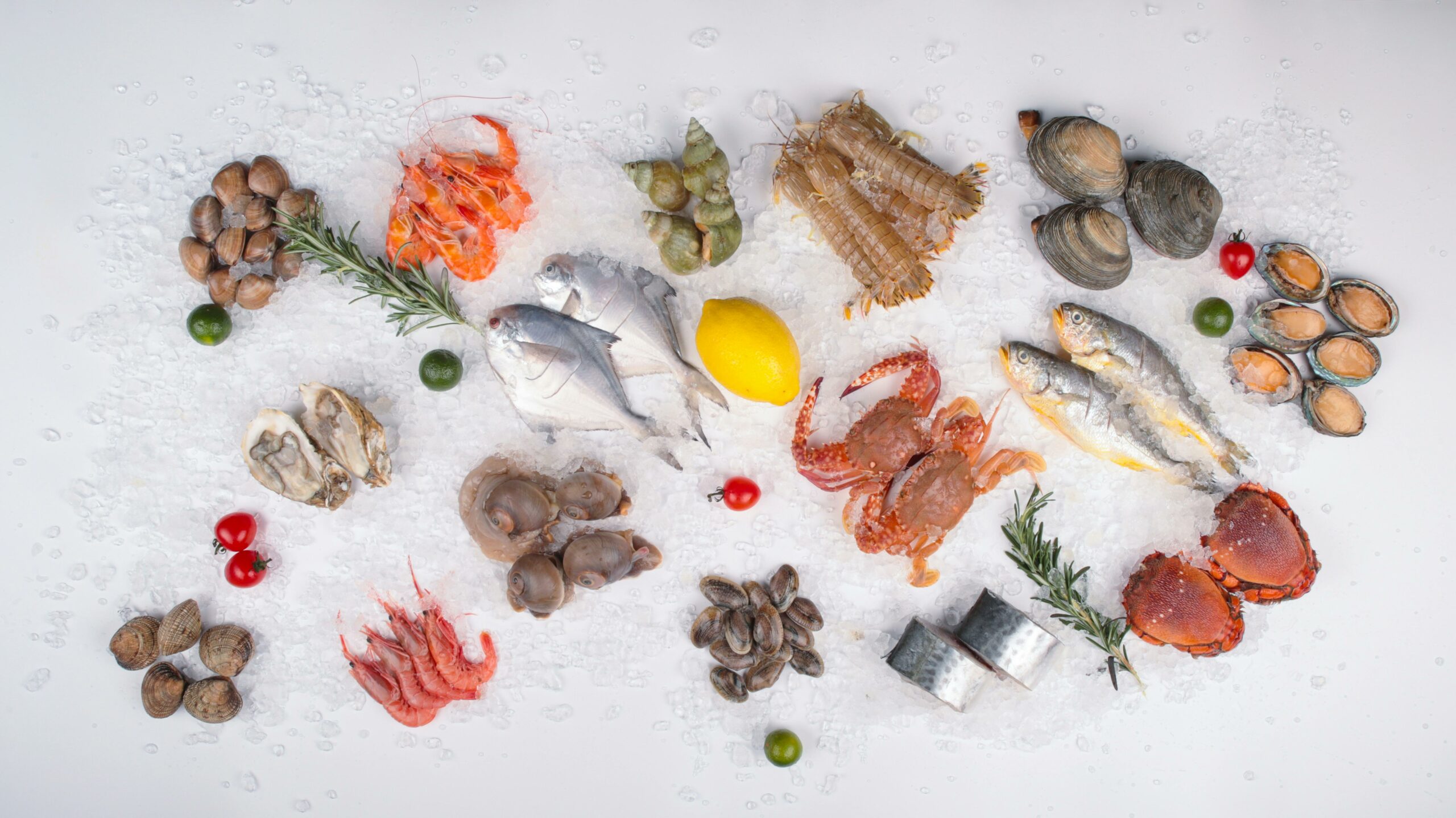





The global seafood industry faces an unprecedented crossroads. With 35% of marine fish stocks overfished and consumer demand for sustainable products surging, businesses throughout South Africa’s food supply chain must adapt or risk obsolescence. Whether you’re a restaurant owner, food distributor, retailer, or procurement manager, understanding sustainable seafood sourcing isn’t just about environmental responsibility—it’s about securing your supply chain, protecting your reputation, and future-proofing your business.
This comprehensive guide provides everything South African food industry professionals need to know about sustainable seafood procurement, from MSC and ASC certification to implementing robust traceability systems that meet evolving regulatory requirements.
Why Sustainable Seafood Sourcing Matters for Your Business
The Global Seafood Crisis: Understanding the Numbers
The statistics paint a sobering picture of global fisheries:
- 35% of fish stocks are fished beyond biologically sustainable levels
- 57% are maximally fished, leaving zero room for increased harvest
- Only 8% remain underfished, offering minimal expansion opportunities
- 20% of wild-caught seafood comes from illegal, unreported, and unregulated (IUU) fishing
For South African businesses, these numbers translate directly into supply chain risks, price volatility, and potential reputational damage.
The Business Case: Why Sustainability Equals Profitability
Supply Chain Security
Overfished stocks inevitably lead to collapse. The West Coast rock lobster and abalone fisheries in South Africa serve as cautionary tales—once-thriving industries devastated by unsustainable practices and poaching. Sustainable sourcing ensures long-term product availability and stable pricing.
Market Access and Premium Pricing
European and North American markets increasingly mandate sustainability certifications. MSC-certified products command 5-15% price premiums while unlocking access to high-value export markets. For South African exporters, certification is no longer optional—it’s essential.
Consumer Demand
73% of global consumers consider sustainability when making food purchases. Restaurants and retailers offering verified sustainable seafood gain competitive advantages, particularly among younger demographics driving future consumption patterns.
Regulatory Compliance
South Africa’s Department of Forestry, Fisheries and the Environment (DFFE) continues strengthening regulations around traceability and sustainable fishing practices. Businesses implementing robust systems now avoid costly retrofitting when regulations tighten further.
Reputational Risk Management
Association with IUU fishing, labor abuses, or depleted stocks can devastate brand reputation overnight. Social media amplifies these risks, making sustainability credentials essential protective measures.
Understanding Seafood Certification: MSC, ASC & BAP Explained
Navigating the alphabet soup of seafood certifications can overwhelm even experienced procurement professionals. Here’s what you need to know about the three major certification schemes.
Marine Stewardship Council (MSC) Certification for Wild-Caught Seafood
The Marine Stewardship Council represents the world’s leading certification program for wild-caught fisheries, with the MSC blue fish label providing assurance that seafood comes from certified sustainable fisheries.
The Three MSC Principles
MSC certification evaluates fisheries against three core principles:
Principle 1: Sustainable Fish Stocks
Fisheries must harvest at levels allowing fish populations to remain productive indefinitely. This requires scientific stock assessments demonstrating that current catch rates don’t prevent stocks from recovering or maintaining healthy numbers across generations.
Principle 2: Minimizing Environmental Impact
Fishing operations must preserve ecosystem structure, productivity, and biodiversity. This includes:
- Managing bycatch of non-target species (turtles, sharks, seabirds)
- Protecting seafloor habitats from destructive gear
- Maintaining predator-prey relationships and food web functions
- Avoiding operations in sensitive marine areas
Principle 3: Effective Management
Certified fisheries operate under robust management systems addressing:
- Legal and customary frameworks
- Precautionary approaches to uncertainty
- Responsive decision-making based on monitoring and research
- Stakeholder consultation and compliance enforcement
MSC Certification in Southern Africa
Several South African fisheries have achieved or are pursuing MSC certification, including the Cape hake trawl fishery—one of Africa’s first certified fisheries (2004). The MSC’s Fish for Good project actively works to expand certification throughout the region, conducting pre-assessments on priority species including horse mackerel and other commercially important stocks.
South African buyers benefit from both locally certified products and imported MSC seafood, with certification providing verified sustainability assurance that meets international standards.
Aquaculture Stewardship Council (ASC) Certification for Farmed Seafood
As wild fisheries reach capacity limits, aquaculture supplies increasing portions of global seafood consumption. ASC certification addresses sustainability in farmed operations.
ASC Species-Specific Standards
ASC maintains distinct standards for major farmed species including:
- Salmon and trout
- Shrimp and prawns
- Tilapia
- Pangasius
- Bivalves (mussels, oysters, clams)
- Freshwater fish
Each standard addresses:
Environmental Responsibility
Water quality management, waste disposal, chemical use, energy consumption, and habitat protection. Farms cannot be located in converted critical habitats like mangroves or wetlands.
Social Accountability
Fair labor practices, safe working conditions, community relations, and freedom from forced labor or child exploitation. ASC incorporates International Labour Organization (ILO) conventions into standards.
Animal Welfare
Species-appropriate stocking densities, handling procedures, disease management, and humane slaughter methods based on current scientific understanding of fish welfare.
Feed Sustainability
Responsible sourcing of feed ingredients, particularly fishmeal and fish oil from wild stocks. ASC encourages MSC-certified feed ingredients and alternative proteins reducing pressure on forage fisheries.
ASC in South African Aquaculture
South Africa’s growing aquaculture sector—particularly abalone, mussels, and oysters—represents significant opportunity for ASC certification. Operation Phakisa, the government’s ocean economy initiative, targets substantial aquaculture expansion while maintaining environmental standards, creating demand for credible certification.
Best Aquaculture Practices (BAP) Certification
The Global Aquaculture Alliance’s BAP certification provides another comprehensive standard recognized globally for responsible aquaculture.
The Four-Star Advantage
Unlike other programs focusing solely on farms, BAP offers unique “four-star” certification covering:
- Hatchery Certification – Breeding facilities producing juveniles
- Farm Certification – Grow-out operations raising seafood to market size
- Processing Plant Certification – Facilities processing and packaging products
- Feed Mill Certification – Manufacturing of aquaculture feeds
Products carrying four-star BAP labels demonstrate complete supply chain oversight from breeding through processing—comprehensive transparency particularly valuable for buyers seeking complete assurance.
Choosing Between Certifications
While ASC and BAP represent the two leading aquaculture programs, neither is inherently “better.” Both maintain rigorous standards with some differences in approach:
- ASC has stronger European market recognition
- BAP enjoys particularly strong North American and Asian market presence
- ASC focuses primarily on farm-level operations
- BAP provides full supply chain certification
For buyers, either certification provides substantial assurance of responsible practices. Some suppliers maintain both to serve different markets.
South African Seafood: Species Status and Sourcing Guidance
Understanding the current status of fish stocks helps inform responsible purchasing decisions.
The WWF-SASSI Traffic Light System
The WWF Southern African Sustainable Seafood Initiative (SASSI) provides the most comprehensive monitoring of regional species status through their color-coded system:
Green List – Best choice
Species from well-managed, sustainable sources. Green-listed seafood represents lowest-risk options for responsible purchasing.
Orange List – Think twice
Species requiring careful sourcing decisions. Orange species may come from fisheries with sustainability concerns OR sustainable sources. Verification and certification become critical.
Red List – Don’t buy
Species from unsustainable sources or species where no sustainable options currently exist. Purchasing red-list species drives continued depletion.
Priority South African Species
Hake (Cape Hake, Shallow-water Hake)
Status: Green (MSC certified fishery)
South Africa’s most valuable whitefish fishery. The MSC-certified trawl fishery demonstrates successful collaborative management between industry, government, and scientists.
Kingklip
Status: Green (improved through industry action)
Success story demonstrating how fishing practice modifications can improve sustainability status. Industry adoption of methods reducing albatross bycatch enabled transition from orange to green rating.
Snoek
Status: Green
Seasonal pelagic species caught by traditional handline fishery. Supports small-scale fishing communities with minimal environmental impact.
West Coast Rock Lobster
Status: Orange (recovering from historical overexploitation)
Rebuilding after severe depletion. Some sources meeting sustainability criteria, but careful verification required.
Abalone
Status: Red (severely depleted)
Collapsed from combination of fishing pressure and illegal poaching. Limited ranched abalone from responsible operations may be acceptable, but wild abalone should be avoided entirely.
Yellowfin Tuna
Status: Orange to Red (depends on fishing method and location)
Pole-and-line caught tuna from well-managed fisheries rates higher than longline-caught from overfished stocks. Source verification essential.
Practical Species Substitution Strategies
When preferred species are unavailable or unsustainable, consider these alternatives:
Instead of Unsustainable Tuna → Try MSC-certified pole-and-line albacore or sustainable yellowtail
Instead of Orange Roughy → Use Cape hake or sustainable monkfish
Instead of Wild Abalone → Source from certified ranched operations or substitute with sustainable mussels
Instead of Unsustainable Prawns → Choose ASC or BAP-certified farmed prawns or local langoustine
Diversifying species procurement distributes pressure across stocks while building supply chain resilience.
Implementing Traceability Systems: From Ocean to Plate
Robust traceability systems for seafood supply chains enable collection and communication of key information about catch and fishery origins vital for assurance of legality and sustainability, with end-to-end traceability increasingly demanded by retailers, consumers, NGOs and regulatory bodies.
Why Seafood Traceability Matters
Seafood supply chains rank among the world’s most complex, often involving multiple countries, vessels, processors, and distributors between harvest and consumer. This complexity creates opportunities for:
Illegal Fishing Infiltration
Without traceability, illegally caught fish easily enters legitimate supply chains, undermining sustainable management and often involving labor abuses.
Species Fraud and Mislabeling
Studies consistently reveal 20-30% seafood fraud rates in retail and food service sectors. Species substitution cheats consumers, damages legitimate businesses, and can pose safety risks (e.g., escolar sold as “white tuna”).
Origin Misrepresentation
Products falsely labeled as MSC-certified or from specific regions command unwarranted premiums while damaging producers investing in legitimate certification.
Food Safety Gaps
Traceability enables rapid response to contamination events, facilitating targeted recalls rather than devastating industry-wide actions.
Key Data Elements for Effective Traceability
Comprehensive systems capture critical information at each supply chain stage:
At Harvest
- Species (scientific and common names)
- Catch date and geographic location
- Vessel identification and fishing gear type
- Fishing zone and relevant permits/licenses
At Processing
- Processing facility identification and location
- Processing date and batch/lot numbers
- Product form and packaging details
- Any additives, treatments, or preservation methods
Throughout Chain of Custody
- Every entity taking legal ownership
- Transfer dates, quantities, and conditions
- Transportation methods and temperatures
- Storage facility identifications
At Final Sale
- Product specifications and labeling
- Use-by dates and storage requirements
- Certification claims and license numbers
- End destination (retail, food service, export)
Practical Steps to Implement Traceability
1. Establish Documentation Standards
Create standardized forms or systems capturing essential information at receiving, storage, and distribution. Electronic systems reduce errors and facilitate data sharing with suppliers and customers.
2. Implement Lot Control Systems
Maintain clear lot identification preventing mixing of products from different sources. Use sequential numbering, date codes, or barcodes ensuring each lot remains traceable to its origin throughout handling.
3. Train Your Team
Ensure all personnel understand traceability importance and their specific responsibilities. Regular training updates keep staff current on procedures and requirements.
4. Conduct Supplier Qualification
Establish minimum traceability requirements for seafood suppliers including:
- Documentation standards they must provide
- Verification procedures for sustainability claims
- Audit rights allowing inspection of their systems
- Corrective action requirements for non-compliance
Prioritize suppliers demonstrating robust traceability systems and willingness to improve.
5. Leverage Technology Solutions
Modern traceability platforms offer enhanced capabilities:
Blockchain Systems – Provide immutable records and enhanced transparency throughout supply chains
QR Code Integration – Enable consumers to access product stories and verification data via smartphone
RFID and IoT Sensors – Track temperature, location, and handling throughout distribution
Cloud-Based Platforms – Facilitate data sharing among supply chain partners while maintaining security
While sophisticated technology isn’t necessary for all operations, even basic spreadsheet systems properly implemented dramatically improve traceability versus paper-based approaches.
6. Conduct Regular Audits
Internal audits verify traceability system effectiveness and identify improvement opportunities. Mock recalls test your ability to trace products both upstream (to source) and downstream (to customers) within required timeframes.
MSC Chain of Custody Requirements
Organizations selling MSC-certified seafood must obtain separate Chain of Custody certification ensuring certified products remain segregated from non-certified throughout handling.
Key Requirements:
- Physical or documented segregation preventing mixing
- Volume reconciliation verifying certified sales don’t exceed certified purchases
- Comprehensive traceability records linking inputs to outputs
- Annual surveillance audits confirming continued compliance
While Chain of Custody certification requires investment, it’s mandatory for using MSC claims and labels, providing competitive advantage in markets demanding verified sustainability.
Quality Standards and Food Safety in Seafood Operations
Sustainability and quality are complementary rather than competing priorities. Well-managed fisheries and aquaculture operations consistently produce superior products through careful handling and proper storage.
The Four Dimensions of Seafood Quality
Sensory Quality
Appearance, texture, odor, and taste determine consumer acceptance. Fresh seafood exhibits:
- Bright, clear eyes (whole fish)
- Firm, elastic flesh that springs back when pressed
- Characteristic mild ocean smell (not “fishy” or ammonia-like)
- Bright, natural coloration appropriate to species
- Moist, intact skin without excessive slime
Nutritional Quality
Seafood provides high-quality protein, omega-3 fatty acids (EPA and DHA), vitamins (particularly D and B12), and essential minerals (iodine, selenium, zinc). Proper handling and storage preserve these nutritional benefits.
Safety Quality
Freedom from pathogenic microorganisms, parasites, marine toxins, environmental contaminants, and physical hazards. Safety requires careful controls from harvest through consumption.
Functional Quality
Processing characteristics including yield, water-holding capacity, and cooking behavior matter for commercial buyers. Sustainable fisheries using quick-chill methods typically deliver superior functional quality compared to products from vessels with poor handling practices.
Critical Control: Temperature Management
Temperature control represents the single most important factor determining seafood quality and safety:
Immediate Chilling After Harvest
Fish should be iced or refrigerated within 2-4 hours of catch. Each hour of delay accelerates bacterial growth, enzymatic breakdown, and quality deterioration. Vessels with refrigerated seawater (RSW) systems or immediate icing produce superior products.
Cold Chain Maintenance
Products must remain at 0-4°C throughout storage, transportation, processing, and display. Temperature abuse—even brief periods—irreversibly degrades quality and safety.
Frozen Storage Standards
Properly frozen seafood maintained at -18°C or colder retains excellent quality for extended periods:
- Lean fish (hake, sole): 6-12 months
- Fatty fish (salmon, tuna): 3-6 months
- Shellfish: 3-6 months
- Glazed or vacuum-packed products: Extended shelf life
Temperature fluctuations cause freeze-thaw damage affecting texture, moisture retention, and overall quality.
Thawing Best Practices
Controlled thawing in refrigerated conditions (overnight in cooler) preserves quality far better than room temperature or water thawing, which promote bacterial growth and moisture loss.
HACCP Principles for Seafood Operations
Hazard Analysis and Critical Control Points (HACCP) provides the internationally recognized framework for seafood food safety:
The Seven HACCP Principles
- Conduct Hazard Analysis – Identify biological, chemical, and physical hazards at each process step
- Determine Critical Control Points – Identify points where control is essential to prevent or eliminate hazards (typically: receiving, cold storage, cooking, cooling, packaging)
- Establish Critical Limits – Set measurable criteria (temperatures, times, pH) ensuring hazards are controlled
- Implement Monitoring Procedures – Systematically observe and measure CCPs remaining within limits
- Define Corrective Actions – Specify actions when monitoring indicates deviation from critical limits
- Establish Verification Procedures – Conduct activities confirming HACCP system effectiveness (testing, record review, audits)
- Maintain Documentation – Comprehensive records documenting the system and its implementation
Common Seafood Safety Hazards
Bacterial Pathogens
Vibrio species, Salmonella, Listeria, and other bacteria cause illness. Time-temperature control and prevention of cross-contamination are essential.
Scombroid (Histamine) Poisoning
High-histidine species (tuna, mackerel, mahi-mahi) develop dangerous histamine levels when temperature control fails post-harvest. Proper chilling from catch prevents this entirely.
Parasites
Anisakis and other worms infect many fish species. Proper freezing (-20°C for 7 days or -35°C for 15 hours) kills parasites in fish consumed raw or undercooked (sushi, ceviche).
Marine Biotoxins
Algal blooms produce toxins accumulating in filter-feeding shellfish (mussels, oysters, clams). Source only from approved growing areas with active monitoring programs.
Environmental Contaminants
Mercury, PCBs, dioxins, and microplastics accumulate in aquatic food chains. Long-lived predatory species (swordfish, shark, king mackerel) typically contain higher levels than smaller, shorter-lived species.
Supplier Food Safety Verification
Responsible buyers verify supplier food safety systems through:
Third-Party Audit Requirements
Require suppliers undergo audits against recognized standards (BRC, SQF, FSSC 22000, or equivalent). Review audit reports and corrective actions.
Documentation Review
Examine supplier HACCP plans, prerequisite programs (sanitation, pest control, personnel hygiene), testing results, and corrective action records.
Periodic Site Visits
Conduct visits observing conditions, practices, and record-keeping firsthand. Unannounced visits provide most accurate assessment of typical operations.
Risk-Based Testing
Implement testing programs verifying products meet safety specifications for microbiological quality, chemical hazards, and physical contaminants based on species-specific risks.
Building Your Sustainable Seafood Procurement Policy
Effective programs require clear policies, supplier engagement, and continuous improvement frameworks.
Essential Policy Components
1. Scope Definition
Specify which products and operations the policy covers:
- Wild-caught and farmed seafood
- Fresh, frozen, canned, and processed products
- All business units, locations, and brands
- Timeframes for implementation
2. Sustainability Standards
Define minimum acceptable credentials:
- MSC/ASC/BAP certification preferred
- SASSI green-list species acceptable
- Orange-list species require verification of sustainable sourcing
- Red-list species prohibited entirely
- Alternative verification methods for uncertified products (FIP participation, government assessments)
3. Progressive Targets
Establish realistic timelines recognizing immediate 100% certified sourcing may not be feasible:
- Year 1: Eliminate all red-list species, achieve 40% certified
- Year 2: Achieve 60% certified, establish supplier improvement programs
- Year 3: Achieve 75% certified, all remaining products from verified sustainable sources
4. Traceability Requirements
Specify minimum documentation and verification standards:
- Species identification (scientific names)
- Geographic origin (catch area or farm location)
- Fishing method or production system
- Chain of custody documentation
- Certification license numbers where applicable
5. Social Responsibility
Include labor standards and human rights considerations:
- No forced labor, child labor, or human trafficking
- Fair wages and safe working conditions
- Freedom of association and collective bargaining
- Vessel observer programs or equivalent monitoring
6. Governance and Accountability
Assign clear responsibilities:
- Policy owner and decision-making authority
- Procurement team implementation responsibilities
- Supplier relationship management
- Internal auditing and compliance verification
- Escalation procedures for non-compliance
Supplier Engagement Strategies
Suppliers are partners in achieving sustainability goals, not adversaries:
Communication and Education
Clearly communicate policy and expectations. Many suppliers, particularly smaller operations, need education about sustainability requirements and certification processes. Provide resources and guidance.
Fishery Improvement Projects (FIPs)
Support suppliers participating in FIPs—multi-stakeholder initiatives working toward certification standards. Purchasing from FIP participants demonstrates commitment while allowing time for improvements. Track FIP progress through FisheryProgress.org.
Long-Term Relationships
Establish stable partnerships providing suppliers confidence to invest in sustainability improvements and certification. Annual contracts or spot-buying undermine supplier willingness to make long-term investments.
Fair Pricing
Recognize that sustainable practices and certification involve costs. Fair pricing reflecting these investments makes sustainability economically viable for suppliers rather than financial burden.
Technical Assistance
Connect suppliers with certification bodies, improvement programs, and technical resources. Some organizations co-invest in supplier certification recognizing mutual benefits.
Recognition Programs
Publicly recognize suppliers leading on sustainability through awards, case studies, or preferred supplier status, creating positive incentives for excellence.
Performance Monitoring and Reporting
Track and communicate progress through:
Key Performance Indicators (KPIs)
- Percentage of certified seafood (by volume and value)
- Number of species sourced and average sustainability rating
- Supplier compliance rates
- Progress toward policy targets
- Cost impacts (premiums paid for certification)
Internal Reporting
Regular reporting to senior management maintains accountability and ensures resource allocation. Monthly or quarterly scorecards highlight progress and challenges.
Public Reporting
Annual sustainability reports demonstrate commitment and progress to customers, stakeholders, and broader community. Transparency builds trust and differentiates your organization.
Continuous Improvement
Regularly review and update policies reflecting:
- Evolving best practices and standards
- New certification options
- Improved fishery status
- Lessons from implementation experience
- Stakeholder feedback and expectations
Cost Considerations and Return on Investment
Sustainable seafood programs require investment but deliver substantial returns through risk mitigation and market advantages.
Understanding Cost Premiums
Certified products typically carry 5-15% premiums varying by:
- Species and availability
- Certification type (MSC generally commands higher premiums than ASC/BAP)
- Market conditions and competition
- Volume and supplier relationships
However, these costs often prove manageable within overall operations:
For Food Service Operations
Seafood represents 15-25% of food costs in typical restaurants. A 10% premium on sustainable seafood equals only 1.5-2.5% increase in total food costs—often absorbable through slight menu price adjustments or portion optimization.
For Retail Operations
Sustainable seafood commands premium shelf pricing, with consumers demonstrating willingness to pay 10-20% more for verified sustainable products. Margins often improve despite higher procurement costs.
For Distributors
Certified products open access to premium accounts with sustainability requirements, increasing average order values and customer loyalty while reducing customer acquisition costs.
Calculating ROI on Sustainability Investments
Risk Mitigation Value
Calculate potential costs of:
- Reputational damage from unsustainable sourcing scandals (customer loss, media coverage)
- Regulatory penalties for traceability or compliance failures
- Supply disruptions from fishery collapses
- Product recalls from fraud or contamination
These avoided costs often exceed certification premiums manyfold.
Market Access Benefits
Quantify value of:
- Access to export markets requiring certification
- Premium retail accounts with sustainability mandates
- Institutional and food service contracts prioritizing sustainability
- Marketing differentiation and brand enhancement
Operational Improvements
Traceability and quality systems deliver benefits beyond sustainability:
- Reduced product losses from improved handling
- Faster recall response reducing financial impact
- Enhanced supplier relationships and reliability
- Improved inventory management and forecasting
Reducing Implementation Costs
Start Strategic
Begin with high-volume products delivering greatest impact per effort invested. Use learnings to refine approaches before expanding to more challenging categories.
Leverage Group Purchasing
Join buying groups or industry collaboratives negotiating better pricing for certified products through volume commitments.
Phased Implementation
Spread costs over time through progressive targets rather than attempting immediate full conversion.
Technology Right-Sizing
Implement traceability systems appropriate to operational complexity. Simple spreadsheet systems work well for smaller operations, while larger companies benefit from sophisticated platforms.
Supplier Partnerships
Work collaboratively with suppliers on improvement rather than switching entirely to certified alternatives. Supporting supplier certification often proves more cost-effective than finding new suppliers.
Getting Started: Your Sustainable Seafood Action Plan
Ready to begin or advance your sustainable seafood journey? Follow this structured approach:
Month 1: Assessment and Education
Week 1-2: Baseline Assessment
- Document all seafood currently purchased (species, volumes, costs, suppliers)
- Check SASSI ratings for each species
- Identify existing certifications in your supply chain
- Calculate percentage of current spend on sustainable seafood
Week 3-4: Stakeholder Engagement
- Present findings to senior management
- Engage procurement team in policy development
- Consult with key suppliers about sustainability capabilities
- Review competitor and industry benchmarks
Month 2-3: Policy Development
Develop draft sustainable seafood policy addressing:
- Scope and coverage
- Sustainability standards and certification requirements
- Timeline and progressive targets
- Traceability requirements
- Governance and accountability
Secure approval from executive leadership and relevant committees
Communicate internally to all affected departments and locations
Month 3-6: Supplier Engagement
Formally notify suppliers of new requirements and timelines
Conduct supplier workshops explaining expectations and available support
Begin sourcing certified alternatives for priority products
Establish improvement programs for key suppliers unable to immediately certify
Month 4-12: Implementation
Implement traceability systems meeting policy requirements
Transition procurement progressively toward certified products
Train staff on new procedures and sustainability messaging
Launch customer communication about sustainable seafood commitment
Ongoing: Monitor and Improve
Track KPIs monthly or quarterly
Report progress to management and stakeholders
Conduct annual policy review and updates
Celebrate successes and recognize leading suppliers
Regional Resources for South African Seafood Professionals
Certification Bodies and Standards
WWF-SASSI (Southern African Sustainable Seafood Initiative)
Website: wwfsassi.co.za
Provides species recommendations, buyer guidance, and the definitive traffic light rating system for Southern African seafood.
Marine Stewardship Council (MSC)
Website: msc.org
Global wild-capture certification program with growing Southern African presence through Fish for Good project.
Aquaculture Stewardship Council (ASC)
Website: asc-aqua.org
Leading farmed seafood certification recognized internationally.
Best Aquaculture Practices (BAP)
Website: bapcertification.org
Four-star certification covering hatchery through processing.
Government and Regulatory
Department of Forestry, Fisheries and the Environment (DFFE)
Website: dffe.gov.za
South Africa’s fisheries authority managing marine resources and enforcement.
Industry Associations
South African Tuna Association
Represents tuna fishing industry interests and promotes sustainable practices.
South African Squid Management Industrial Association (SASMIA)
Manages South Africa’s commercially important squid fishery.
International Resources
FisheryProgress
Website: fisheryprogress.org
Tracks global Fishery Improvement Projects including Southern African initiatives.
Global Dialogue on Seafood Traceability (GDST)
Website: thegdst.org
Develops interoperable digital traceability standards for seafood industry.
Monterey Bay Aquarium Seafood Watch
Website: seafoodwatch.org
Provides species-level sustainability recommendations applicable internationally.
Common Questions About Sustainable Seafood Sourcing
Q: Are certified products always significantly more expensive?
A: While certified seafood typically carries 5-15% premiums, these costs often prove manageable within overall operations. For restaurants, a 10% seafood premium translates to only 1.5-2.5% increase in total food costs. Many operations absorb this through slight menu pricing adjustments or efficiency improvements.
Q: What if certified products aren’t available for species I need?
A: Consider three approaches: (1) substitute with certified alternatives (e.g., certified hake instead of uncertified sole), (2) source from Fishery Improvement Projects working toward certification, or (3) implement additional verification for uncertified products through supplier audits and documentation.
Q: How do I verify supplier sustainability claims?
A: Require certification license numbers verifiable through certification body databases, conduct supplier audits, request documentation of catch location and methods, and consider third-party verification services. Never rely solely on supplier assurances without verification.
Q: Do I need expensive technology for traceability?
A: Not necessarily. While sophisticated blockchain and IoT systems offer advantages, even basic spreadsheet systems properly implemented dramatically improve traceability versus paper-based approaches. Technology should match operational complexity and budget.
Q: What’s the first step if we haven’t started anything yet?
A: Begin with a baseline assessment documenting what seafood you currently purchase and checking SASSI ratings for each species. This identifies immediate concerns (red-list species) and opportunities (suppliers already offering certified products). Many organizations are surprised to discover they already purchase some sustainable seafood without realizing it.
The Future of Sustainable Seafood in South Africa
Several trends will shape sustainable seafood in coming years:
Increased Regulatory Requirements
Government regulations around traceability, sustainability verification, and IUU fishing prevention will continue tightening. Voluntary programs adopted today prepare organizations for likely mandatory requirements tomorrow.
Technology Adoption
Blockchain, DNA testing, satellite monitoring, and AI-powered analytics will increasingly enable unprecedented supply chain transparency. Early adopters gain competitive advantages through enhanced fraud prevention and consumer engagement.
Climate Change Impacts
Ocean warming, acidification, and changing currents affect fish distributions and productivity. Sustainable sourcing must increasingly account for climate resilience, supporting fisheries implementing adaptation strategies.
Social Sustainability Emphasis
Labor conditions, human rights, and gender equity receive growing attention alongside environmental factors. Future programs will require more rigorous social auditing and transparency.
Market Consolidation
Major retailers and food service operators increasingly mandate sustainability certification from suppliers. Organizations lacking credentials will progressively lose market access.
Consumer Transparency
QR codes and digital platforms enabling consumers to trace individual products from ocean to plate will become standard, with consumers expecting complete product stories including sustainability credentials, fishing methods, and handler information.
Conclusion: Your Path Forward
The transition to sustainable seafood sourcing represents both responsibility and opportunity. While challenges exist—availability limitations, cost considerations, complex supply chains, and supplier capacity building needs—these obstacles are surmountable through systematic approaches and commitment to continuous improvement.
You don’t need perfection on day one. Start with assessment, establish clear policies with realistic targets, engage suppliers as partners, implement traceability systems, and communicate progress transparently. Each step forward contributes to ocean health, community livelihoods, and your organization’s long-term success.
The seafood industry faces a fundamental choice: continue depleting fish stocks until collapse occurs, or embrace sustainable management ensuring abundance for future generations. As a buyer, you wield significant power—your purchasing decisions directly influence fishing practices, incentivize certification, and shape industry direction.
The oceans have provided for humanity throughout history. Ensuring they continue doing so requires action today. Every purchasing decision represents a vote for the kind of seafood industry you want to support.
Vote for sustainability. Vote for transparency. Vote for the future.
Take the Next Step with AK Agricultural Supplies
At AK Agricultural Supplies, we understand that sustainable sourcing extends beyond seafood to encompass your entire supply chain. As South Africa’s trusted partner for agricultural and food industry supplies, we help businesses implement comprehensive sustainability programs that protect both your operations and our natural resources.
Our Sustainable Supply Chain Solutions
Procurement Consulting
Our team provides expert guidance on sustainable sourcing strategies across all product categories. Whether you’re building your first sustainability policy or advancing existing programs, we offer practical, implementable solutions tailored to South African market realities.
Supplier Network Access
Through our extensive network of certified and verified suppliers, we connect you with sustainable seafood sources meeting MSC, ASC, and BAP standards. We pre-qualify suppliers for sustainability credentials, food safety compliance, and traceability capabilities, saving you time and reducing risk.
Traceability System Implementation
We help design and implement traceability systems appropriate to your operational complexity and budget, from basic documentation protocols to sophisticated digital platforms. Our practical approach focuses on systems that work in real-world conditions.
Quality Assurance Programs
Beyond sustainability, we support comprehensive quality management programs ensuring products meet safety, freshness, and specification requirements. Our quality assurance expertise spans from receiving protocols to storage management and distribution controls.
Training and Capacity Building
We offer training programs for your procurement, operations, and food service teams on sustainable sourcing, traceability procedures, quality assessment, and regulatory compliance. Well-trained teams are essential for program success.
Why Partner with AK Agricultural Supplies?
Local Expertise, Global Standards
We understand South African market conditions, regulatory environments, and supplier landscapes while maintaining alignment with international best practices and certification standards.
Comprehensive Solutions
While this guide focuses on seafood, sustainable sourcing extends to all agricultural products. We provide integrated solutions across your entire supply chain, from fresh produce to grains and pulses, dairy products, and specialty ingredients.
Proven Track Record
We’ve helped dozens of South African restaurants, retailers, distributors, and food manufacturers implement successful sustainable sourcing programs. Our clients range from independent operators to national chains.
Ongoing Support
Sustainability isn’t a one-time project—it requires continuous management and improvement. We provide ongoing support helping you adapt to changing conditions, regulations, and market expectations.
Ready to Get Started?
Contact our sustainable sourcing team today to discuss your specific needs and explore how we can support your journey toward responsible procurement:
Email: sales@akagriculturalsupplies.co.za
Website: akagriculturalsupplies.co.za
Schedule a complimentary consultation where we’ll:
- Review your current seafood procurement
- Identify immediate opportunities and priorities
- Develop a customized implementation roadmap
- Connect you with appropriate certified suppliers
- Provide guidance on certification and traceability requirements
Additional Resources and Further Reading
Essential Industry Publications
The State of World Fisheries and Aquaculture (SOFIA)
Published by: Food and Agriculture Organization (FAO)
The definitive global report on fisheries and aquaculture, published biennially with comprehensive statistics, trends, and policy analysis. Essential reading for understanding global context affecting local sourcing decisions.
Access at: fao.org/state-of-fisheries-aquaculture
Seafood Supply Chain Traceability: A Guide
Published by: Global Food Traceability Center
Comprehensive practical guide on implementing traceability systems in seafood operations with case studies, technology reviews, and step-by-step implementation frameworks.
Access at: ift.org/gftc
Certification and Standards Documentation
MSC Fisheries Standard (Version 3.0)
Complete technical documentation of MSC assessment methodology, performance indicators, and scoring guidelines. Essential for understanding what certification requires.
Download at: msc.org/standards-and-certification/fisheries-standard
ASC Standards Library
Species-specific standards for all ASC-certified products including salmon, shrimp, tilapia, pangasius, and bivalves.
Access at: asc-aqua.org/what-we-do/our-standards
BAP Standards and Certification Manual
Complete four-star certification requirements covering hatchery, farm, processing, and feed mill operations.
Download at: bapcertification.org/standards
South African Specific Resources
South African Fisheries Status Reports
Published by: Department of Forestry, Fisheries and the Environment
Annual status reports on South African fish stocks including stock assessments, management measures, and harvest data.
Available at: dffe.gov.za
WWF-SASSI Mobile App
Free smartphone app providing instant access to species ratings, alternatives, and detailed information on South African seafood sustainability. Available for iOS and Android.
Download at: wwfsassi.co.za/app
Online Tools and Databases
FisheryProgress.org
Tracks over 200 Fishery Improvement Projects globally including several Southern African initiatives. Monitor progress of fisheries working toward sustainability certification.
MSC Track a Fishery
Search MSC-certified fisheries worldwide, view assessment reports, and monitor certification status.
Access at: msc.org/track-a-fishery
SeafoodWatch App and Website
While US-focused, provides valuable species-level sustainability recommendations applicable to international sourcing with clear explanations of environmental concerns.
Training and Education
MSC Online Training
Free online courses covering MSC standards, Chain of Custody requirements, and sustainable seafood fundamentals.
Access at: msc.org/for-business/training
GSSI (Global Sustainable Seafood Initiative) Knowledge Hub
Resources comparing different certification schemes, understanding equivalency, and implementing sustainability programs.
Access at: ourgssi.org
Glossary: Key Sustainable Seafood Terms
Aquaculture – Farming of aquatic organisms including fish, shellfish, and aquatic plants under controlled conditions.
Bycatch – Marine species caught unintentionally while fishing for target species. Can include non-commercial fish, juveniles, seabirds, turtles, and marine mammals.
Chain of Custody (CoC) – Documentation of product custody from harvest through processing and distribution, essential for certification claims.
Demersal Species – Bottom-dwelling fish species like hake, sole, and flounder typically caught by trawl or longline gear.
Ecosystem-Based Management – Fisheries management approach considering entire ecosystems rather than single species in isolation.
Fishery Improvement Project (FIP) – Multi-stakeholder initiative working to improve fishery sustainability toward certification standards through time-bound action plans.
Illegal, Unreported, and Unregulated (IUU) Fishing – Fishing activities conducted outside the law, or in unmanaged/poorly managed areas. Estimated to represent 20% of global catch.
Maximum Sustainable Yield (MSY) – Largest average catch that can be continuously taken from a stock under existing environmental conditions.
Overfishing – Harvesting fish at rates exceeding their ability to reproduce and maintain population levels.
Pelagic Species – Fish species inhabiting open water column including tuna, mackerel, sardines, and anchovy.
Precautionary Approach – Management philosophy applying caution when scientific knowledge is uncertain, avoiding potentially irreversible damage.
Stock Assessment – Scientific analysis of fish population status, trends, and productivity informing management decisions.
Total Allowable Catch (TAC) – Maximum amount of fish that can be legally harvested from a stock in a given time period, set by fisheries authorities based on scientific advice.
Traceability – Ability to track product movement and custody throughout the supply chain from harvest to final sale.
About This Guide
Author: AK Agricultural Supplies Sustainable Sourcing Team
Last Updated: November 2025
Version: 2.0
This guide represents comprehensive research and practical experience helping South African food businesses implement sustainable seafood programs. We update this resource regularly to reflect evolving standards, new certifications, changing fish stock status, and lessons learned from implementation.
Disclaimer: While we strive for accuracy, sustainability recommendations and fish stock status change over time. Always verify current status through WWF-SASSI, certification body databases, and scientific assessments before making sourcing decisions. This guide provides general information and should not replace professional consultation for your specific circumstances.
Share This Guide
Help advance sustainable seafood throughout South Africa by sharing this resource with colleagues, suppliers, and industry partners. Together, we can build a seafood industry that sustains both ocean ecosystems and the businesses depending on them.
Your Feedback Matters
We continuously improve this guide based on user feedback and evolving industry needs. Share your experiences, questions, or suggestions:
- What topics need more detail?
- What practical challenges are we missing?
- What success stories can you share?
- What additional resources would help?
Remember: Every sustainable sourcing decision you make—no matter how small—contributes to healthier oceans, thriving fishing communities, and a more resilient seafood industry. The journey of a thousand miles begins with a single step.